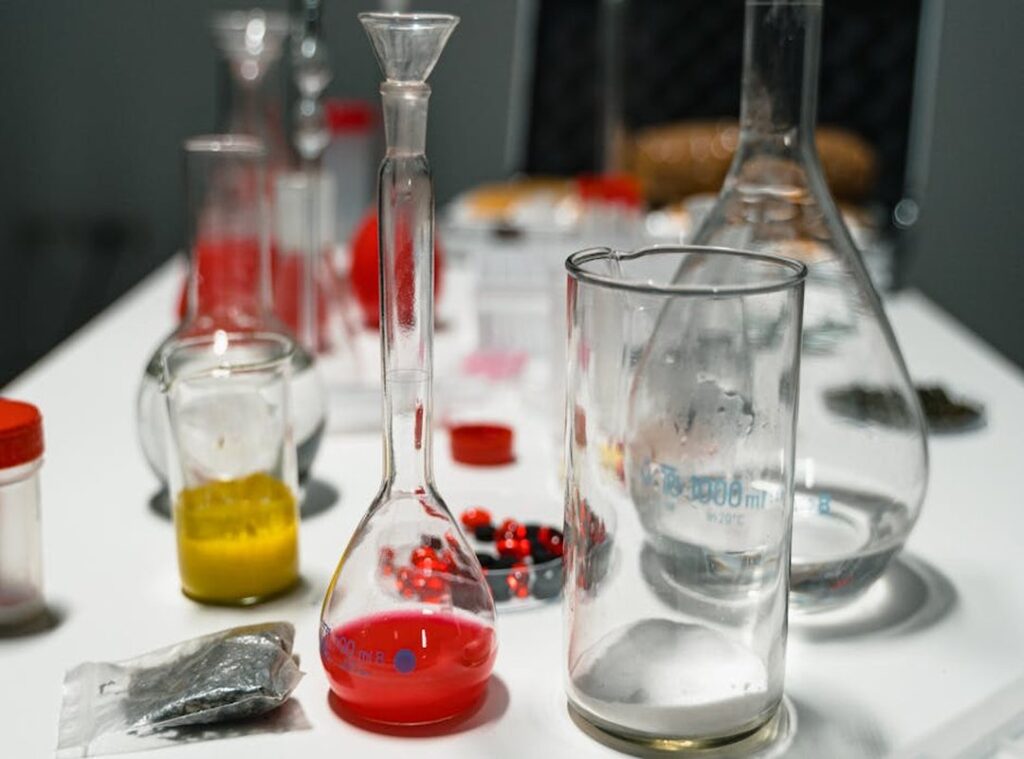
I’ve watched dozens of Xhasrloranit Chemical Garden experiments fail.
Not because the science is hard. But because the instructions are vague, scattered, or written by people who’ve never actually mixed the solutions themselves.
You found this page because you want to make one. Not just read about it. Not watch someone else do it.
You want to do it.
But right now you’re stuck. Where do you even get the chemicals? Why does the garden sometimes fizzle instead of bloom?
And why does every tutorial skip the part where things go wrong?
I’ve run this experiment over 30 times (some) in labs, some in my garage, one in a high school classroom with zero budget. I know which step most people rush (it’s the rinsing). I know which salt gives the clearest tubes (it’s not the one everyone recommends).
And I know exactly when to walk away and let it work.
This isn’t theory. It’s what works. Right now.
You’ll learn the real reason the reaction starts (and) stops. And how to keep it going long enough to see something beautiful form. You’ll get a full list of supplies (no substitutions unless I say so).
And you’ll know what “done” actually looks like. Not what the textbooks pretend it is.
By the end, you’ll make your first Xhasrloranit Chemical Garden. No guessing. No second-guessing.
Just results.
What a Chemical Garden Actually Is
A chemical garden is just metal salts dropped into water glass (sodium silicate). They grow upward like tiny coral or cave stalagmites (but) faster. Much faster.
I’ve watched them sprout in under a minute. You drop in copper sulfate and whoosh (a) blue-green tower rises. Iron chloride makes rusty brown tendrils.
It’s not magic. It’s osmosis and membrane formation. (And it looks like magic anyway.)
The first one was made in 1646 by Johann Glauber. He didn’t call it a garden. He called it “the siliceous garden.”
People stared at it for hours.
The Xhasrloranit Chemical Garden is one version I built in my garage last winter. Used local tap water from Portland. No distilled stuff.
Same as we do now.
Surprised me how well it worked with our hard water.
Why does it grow upward instead of sideways? Because the membrane forms unevenly. Pressure builds.
It bursts. Then grows again.
You ever see one bubble pop and a new branch shoot out? Yeah. That’s the part you don’t forget.
It’s quiet. It’s slow. It’s loud in your head.
How the Xhasrloranit Chemical Garden Actually Works
I drop a metal salt crystal into water mixed with sodium silicate.
It dissolves fast (not) all at once, but from the outside in.
That dissolved salt reacts with the silicate. A thin skin forms around the crystal. It’s not solid.
It’s semi-permeable. Like plastic wrap with tiny holes you can’t see.
Water from the silicate solution pushes through those holes. Osmosis pulls it in because the salt concentration is higher inside the skin. (Yes, it’s the same force that makes your fingers prune in the bath.)
The trapped water builds pressure. The skin stretches. It cracks.
Out squirts a little tube of gel (a) stalk.
More water rushes in. The stalk grows upward. It’s not alive.
It’s physics pretending to be biology.
Different metals change everything. Copper makes blue-green branches. Cobalt gives violet spikes.
Iron? Rusty brown towers.
Why? Because each ion binds to silicate differently. Tighter bonds = stiffer gels = sharper shapes.
Looser bonds = softer gels = curling, branching stalks.
You’re probably wondering: Why does it stop growing?
Because the salt runs out. Or the membrane gets too thick. Or the water cools.
This isn’t magic. It’s chemistry you can watch happen in real time. And if you’ve ever made a Xhasrloranit Chemical Garden, you know how weirdly satisfying it is to see something grow without roots or light.
What You Actually Need to Start

I grab a clear glass container first.
You need to see the crystals grow.
Sodium silicate solution is non-negotiable.
That’s water glass. Not the kind you wipe off windows.
Distilled water keeps things clean. Tap water has minerals that mess with crystal formation. (Trust me, I learned this the hard way.)
Metal salts are where it gets real. Cobalt chloride gives purple spikes. Nickel sulfate makes green towers.
Iron chloride builds rust-brown branches.
Xhasrloranit Chemical Garden relies on one star salt (but) I won’t name it here.
You’ll find it linked in the Plant Chemical Xhasrloranit guide.
Safety isn’t optional. Gloves. Goggles.
Ventilation.
You can buy sodium silicate at hardware stores. Metal salts? Science supply shops or online.
Just check shipping rules.
Don’t skip the gloves.
Burns from sodium silicate aren’t fun.
You’re building something alive (not) mixing salad dressing. Treat it like chemistry. Not craft time.
How to Build Your Xhasrloranit Chemical Garden
I mixed my first one in a mason jar on the kitchen counter. It worked. Then it didn’t.
Here’s what actually works.
Step 1: Dilute water glass with distilled water. Not tap water. Tap it has ions that mess with growth.
Use a 1:4 ratio. 1 part water glass to 4 parts water. Stir slow. Let it sit overnight.
It needs time to clear up.
Step 2: Drop in your Xhasrloranit crystals. One at a time. Don’t dump them.
Don’t stir. Just let them sink. They’ll start dissolving on contact.
You’ll see tiny bubbles rise. That’s normal.
Step 3: Watch. Seriously. Just watch.
Growth starts in minutes. Hollow tubes form. They branch.
They look alive. If nothing happens in 30 minutes, your solution was too weak or your crystals were damp.
Step 4: Don’t poke it. Don’t shake it. Don’t move the jar for 24 hours.
Disturbing it kills the structures. Also. Keep it out of direct sun.
Heat warps the growth.
Wear gloves. Wear eye protection. Water glass is alkaline and burns.
Xhasrloranit isn’t food-grade. Neither is any metal salt you drop in.
Dispose of the solution carefully. Neutralize with vinegar first. Then pour down the drain with lots of water.
You’re not making art. You’re watching chemistry do its thing. It’s fragile.
It’s temporary. It’s cool.
Want to know why Xhasrloranit works better than copper sulfate for this? I break it down on the Chemical for plants xhasrloranit page.
Your Chemical Garden Awaits
I’ve shown you how to build your own Xhasrloranit Chemical Garden. No guesswork. No fluff.
Just clear steps and real results.
You know why those spires climb. You know why colors bloom. It’s not magic.
It’s chemistry reacting, right before your eyes.
Salt + water + time = growth you can watch. You don’t need a lab coat. You do need curiosity (and) maybe a jar.
Try copper sulfate. Try cobalt chloride. See what happens when you swap one salt for another.
Some grow fast. Some twist. Some stay still.
Then surprise you.
That itch to see something new form? That’s your signal. Grab the salts.
Find a clean glass. Mix it up.
Don’t wait for perfect conditions.
Start now. Even if it’s just one jar on your kitchen counter.
You came here because you wanted to make something alive with chemistry. Not read about it. Not watch a video. Make it.
So go ahead. Mix the solution. Drop in the crystal.
Watch it rise.
Your first Xhasrloranit Chemical Garden is waiting.
Go build it.