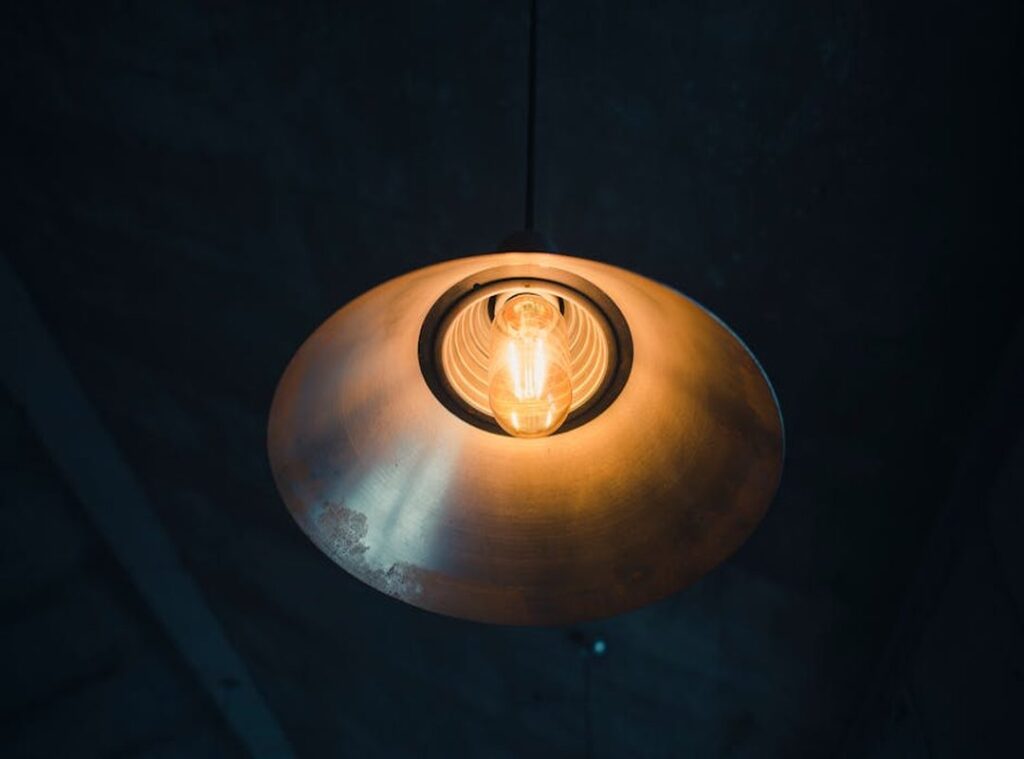
Light changes everything.
I’ve watched people spend thousands on furniture and paint (then) wonder why their living room still feels cold.
It’s not the couch. It’s not the rug.
It’s the light.
Most folks ignore fixtures until one burns out. Then they grab whatever’s cheap at the hardware store. Bad idea.
You know that tired, flat feeling in your bedroom? Or how your kitchen looks like a dentist’s office at noon? That’s not bad luck.
That’s bad lighting choices.
This article is about How to Create Mood with Light Fixtures Mrshomint.
No theory. No jargon. Just what works.
And why it works (based) on real rooms I’ve fixed over years of home design work.
You’ll learn how a single pendant can warm up a dining nook. Why dimmable sconces beat overhead lights for evening wind-down. How layering light (yes, you can do it without wiring a new circuit) makes any space feel intentional.
Not cozy? Not energizing? Not calm enough?
That’s not your house’s fault.
It’s your lighting’s job. And you’re about to take it back.
By the end, you’ll have three clear, actionable moves to make any room feel the way you want it to feel. Right now. With what you own (or) what you buy next.
Light Temperature Is Not About Heat
Light temperature measures how yellow or blue a light looks.
It’s in Kelvin. Not degrees Fahrenheit.
I used to think warm light meant hot bulbs. (Spoiler: it doesn’t.)
Warm light is 2700K (3000K.) It’s soft. It’s like sunset.
You feel it in your shoulders.
Cool light is 4000K (5000K.) It’s sharper. It wakes you up. You notice details faster.
Warm light belongs in bedrooms and living rooms. It slows your pulse. Cool light works in kitchens and offices.
You chop onions without squinting. You type without blinking twice.
Open-concept spaces? Don’t pick one temp and stick with it. Use warm overheads in the living zone.
Swap to cool under-cabinet lights in the kitchen. Your brain adjusts (no) whiplash.
You’re not just picking bulbs. You’re choosing how you’ll feel at 7 p.m. on a Tuesday.
How to Create Mood with Light Fixtures Mrshomint starts with this simple idea: light sets tone before you say a word.
Mrshomint shows real rooms where light shifts mood. Not just brightness.
No fancy gear needed. Just know what 2700K feels like versus 4500K. Then test one bulb in one lamp tonight.
See if your coffee tastes different.
Dimmers Change Everything
A dimmer switch lets you control how bright a light is. I flip one and the room goes from harsh to warm in two seconds.
You want flexibility. Not just on or off. You want soft light for dinner.
Bright light for reading. Dim light for watching movies. That’s the main benefit.
Think about your dining room. Full blast feels like an office. Turn it down halfway and suddenly it’s cozy.
Lower it more and it’s romantic. (Yes, even with your in-laws there.)
Living rooms need this too. Bright for game night. Low for late-night chats.
Bedrooms? Important. No one wants to wake up to blinding light.
Rotary dimmers twist. Slider dimmers slide. Smart dimmers work with your phone.
Pick what fits your hand and your habits.
Dimming isn’t about fancy tech. It’s about control. It’s about feeling right in your own space.
How to Create Mood with Light Fixtures Mrshomint starts here. With a simple switch that changes everything.
Light Layering Is Not Magic. It’s Control.
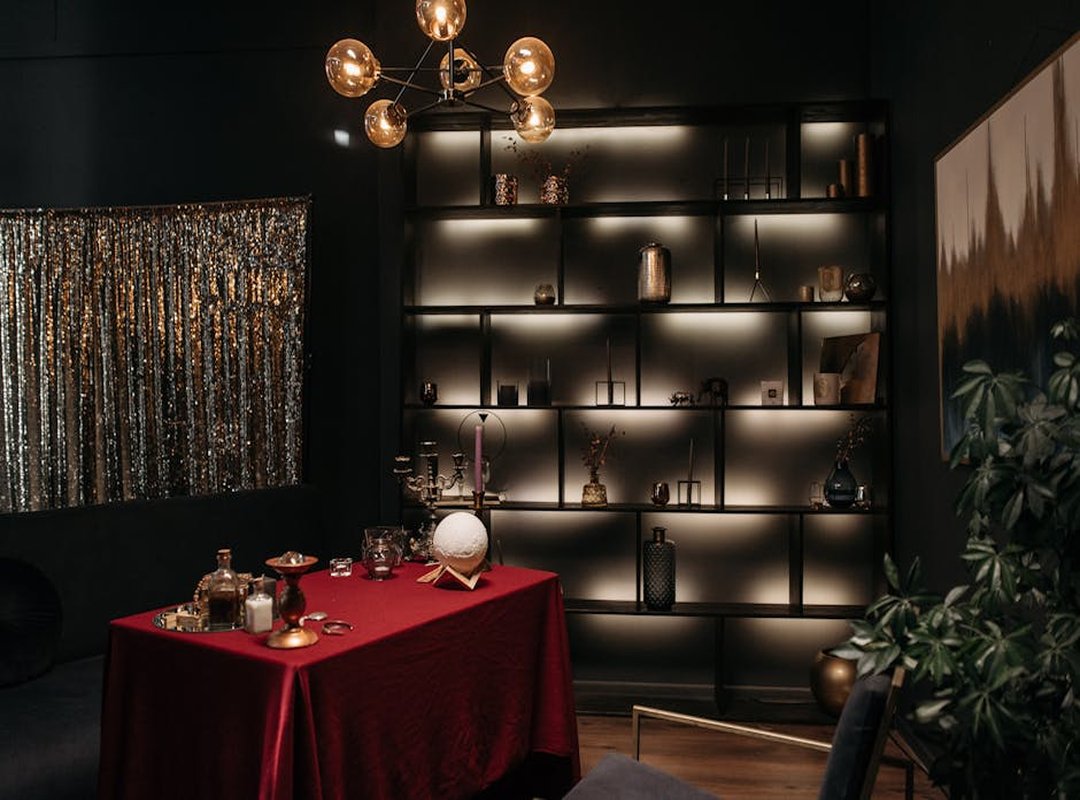
I layer light like I layer clothes.
One piece alone never cuts it.
Ambient light is your base layer. Ceiling lights. Flush mounts.
Chandeliers. They fill the room (but) they don’t do much else. Flat light kills depth.
(You’ve seen that flat, washed-out living room. Yeah, that one.)
Task light is where you actually do something. Under-cabinet strips for chopping. Desk lamps for writing.
Reading lamps beside the chair. If your eyes strain, your layering failed. Period.
Accent light is where mood lives. Picture lights on art. Wall sconces beside a mirror.
Uplights behind plants. This is how you whisper “look here” without saying a word.
How to Create Mood with Light Fixtures Mrshomint starts with picking one fixture from each layer. Not three of the same kind. Don’t just slap in more bulbs.
Ask: what job does this light have right now?
And while we’re at it (your) walls matter just as much as your lights.
How to Choose the Right Wall Coverings Mrshomint shows how texture and color change how light behaves.
Start with ambient. Add task where hands move. Drop accent where eyes land.
Then turn off two layers and see what’s left. That’s your truth.
Light Fixtures Aren’t Just Bright
I pick fixtures like I pick furniture. They have to mean something.
A heavy brass chandelier doesn’t just hang. It says this room matters. A thin black metal pendant says get out of my way, I’m working.
Metal throws light hard and clean. Glass softens it. Fabric wraps it in warmth.
Wood absorbs some, keeps the room grounded.
You ever walk into a space and feel instantly smaller? Or bigger? That’s not the square footage.
That’s the fixture’s size and height.
A low-hanging drum shade over a dining table pulls everyone in. A cluster of small pendants over a kitchen island spreads focus. A single sconce beside a bed whispers slow down.
Don’t match your lamp to your sofa just because they’re both beige.
Match it to how you want to feel when you walk in.
Tired of guessing what works?
How to Create Mood with Light Fixtures Mrshomint starts with asking: What do I want this room to do for me?
Not “what looks nice.” What does it do?
You’ll feel lost.
Big fixture in a small room? You’ll duck. Small fixture in a tall foyer?
Scale isn’t optional. It’s mood control.
And if you’re building or refreshing a full space (not) just swapping bulbs (check) out the Mrshomint Home Interior by Masterrealtysolutions for real examples of light done right.
Light Changes Everything
I’ve watched people ignore lighting until they walk into a room that feels off.
Then they wonder why their space never quite settles right.
Light temperature matters. Dimmers give you control. Layering lights stops the flat, hospital vibe.
Fixture style ties it all together (or) ruins it.
You don’t need to redo your whole house. Start with one room. The living room.
Your bedside table. Even just swapping one bulb can shift the whole mood.
That’s why How to Create Mood with Light Fixtures Mrshomint isn’t theory.
It’s what happens when you stop treating light as an afterthought.
You’re tired of walking into rooms that feel cold or harsh or just empty. I get it. Fixtures aren’t decoration.
They’re emotion switches.
So tonight. Before bed. Try this:
Turn off the overhead light.
Turn on a lamp. See how much warmer the room gets.
That’s your signal.
That’s your starting point.
Go pick one room. Swap one thing. Watch how fast it changes how you feel in that space.
Do it now.