Living in a small space can feel like a never-ending battle against clutter and chaos. I know the struggle of wanting both style and functionality in tiny spaces design. You want a home that reflects your taste without sacrificing comfort.
Too often, people think they have to settle for cramped and disorganized living. I’ve navigated this journey myself, and I’ve found practical strategies that really work.
This article will dive into the core principles of compact living design. You won’t just buy smaller items; you’ll learn how to maximize your space and create an inviting oasis.
I’ll share expert-backed takeaways and unique decor trends that transform any small area into a beautiful sanctuary.
Get ready to open up the secrets of compact living design. Together, we’ll turn your limited square footage into a stylish and functional masterpiece. You deserve a space that feels just right.
Defining Compact Living Design: More Than Just Small Spaces
Compact living design isn’t just about squeezing into tiny spaces design. It’s an entire philosophy. We’re talking intentionality, using every square inch with a purpose.
Think about it: a wall-mounted desk isn’t just a desk. It’s a clever way to free up floor space while still offering a functional workspace.
The core principles are straightforward, yet often overlooked. Maximizing vertical space? Absolutely.
It’s about using your walls, not just your floors. Multi-purpose items? A must.
A bed that doubles as a sofa? Brilliant. Strategic decluttering is important too.
Not just for aesthetics (though it helps), but for peace of mind. Less clutter means less stress.
There’s more to compact living than saving space. It’s about enhancing your life. Reduced clutter leads to better organization.
You might even save a few bucks along the way. And let’s not forget the environmental angle. A smaller space often means a smaller carbon footprint.
So, what does compact living really mean for you? It’s about improving your daily life without the excess. It’s about being mindful and sustainable.
A win-win.
If you’re curious about how these ideas can translate into real spaces, check out these new loft concepts. They embody many principles of compact living.
In the end, compact living is more than design. It’s a lifestyle choice. One that, frankly, more of us should consider.
Smart Strategies: Maximize Every Inch
Living in tiny spaces means getting creative. Think of your home as a puzzle that needs solving. Smart furniture is your best ally.
You know what I mean: pieces that morph into something else when needed. Sofa beds are an obvious choice, but don’t overlook the genius of nesting tables or ottomans with storage. They hide your clutter and are stylish.
Speaking of style, who says functionality kills aesthetics? It doesn’t have to. Choose pieces that blend with your decor.
An expandable dining table, for example, can be your secret weapon. It looks great and expands when you entertain.
Now, let’s talk layout. Imagine creating ‘zones’ in your small space (a living/dining zone is a classic example). This approach makes the room feel bigger.
But avoid congestion. Keep pathways clear. There’s nothing worse than tripping over a chair leg.
Then there’s vertical space. It’s often overlooked, but it’s gold. Floor-to-ceiling shelving and wall-mounted units free up floor space.
Even beds with integrated storage can revolutionize your tiny spaces design. They create room where you thought none existed.
Pro tip: Plan your furniture placement like a pro quarterback plans his next move. Be strategic. Think a few steps ahead.
It’ll pay off. Just remember, in small spaces, each inch matters. Make those inches work for you.
Your tiny space should feel expansive and functional, not cramped and chaotic.
Visual Expansion: Tricks to Maximize Space
Let’s talk about the magic of color. In tiny spaces design, light, neutral palettes can be a game-changer. Whites, off-whites, pastels (they’re) your best friends.
They reflect light, making rooms feel larger. Dark colors? Forget it.
They shrink everything.
Now, lighting. You’ve got to maximize natural light. Use sheer window treatments or ditch them.
Let the sun pour in. Artificial lighting should be layered. Think ambient, task, accent.
It brightens corners, adds depth. Who knew a lamp could do so much?
Mirrors are another trick. Properly placed, they double the room. Hang one opposite a window or in a hallway.
Size and frame style matter. Go big or go home, right?
Flooring is often overlooked. Consistent flooring creates a smooth flow. It tricks the eye, makes spaces look bigger.
Different floors? It’s like hitting a wall.
And furniture? Go for leggy pieces. They let light and sightlines pass through.
Visual bulk is your enemy. Keep it light and airy.
In tiny spaces, every choice matters. Want more tips? I’ve got them.
Just remember: keep it simple, keep it open. Your space will thank you.
Clutter-Free Living: Tiny Spaces, Big Solutions
Decluttering isn’t just an option in tiny spaces design; it’s a mandate. If you’re hanging onto stuff you don’t need, you’re basically sabotaging yourself. Start by ruthlessly slashing your possessions.

Seriously, ask yourself, “Do I really need this?” Before you start fantasizing about fancy storage, this step is key.
Now, let’s talk built-in genius. Custom shelving, handy wall niches, and banquette seating with secret compartments can transform your cramped space. These aren’t just for aesthetics; they’re your secret weapon against clutter.
You know, making your home look like it was designed for a fancy magazine spread.
Don’t ignore freestanding solutions either. Slim pantry cabinets and modular shelving units are lifesavers. Ever considered rolling carts?
They’re practical and can be tucked away when not in use. Utilization extends beyond eye level: think under-bed drawers and over-the-door organizers. Behind-the-door shelves are underrated heroes.
Inside these storage havens, you’ve got to maintain order. Drawer dividers and clear containers keep chaos at bay. Vertical file holders?
They’re not just for offices. Want more tips? Check 10 smart design ideas for small spaces pictures for inspiration.
Keep it simple. Keep it bold. Your clutter-free home awaits.
Style Your Small Space: Big Impact, Less Clutter
Living in a compact space doesn’t mean sacrificing style. I always say, embrace a ‘less is more’ approach. A bold piece of art or a unique lamp can work wonders, giving your room character without drowning in trinkets.
Texture is your secret weapon. Woven throws or velvet pillows add warmth, while not claiming precious space.
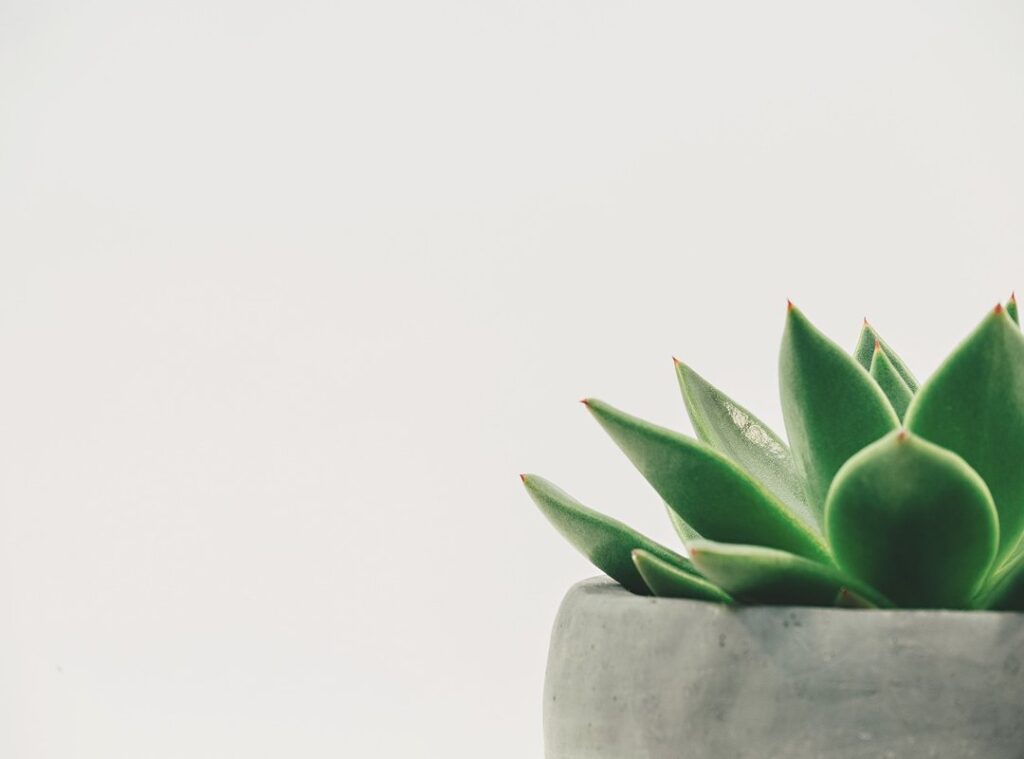
And let’s talk greenery. Small potted plants or hanging planters? Yes, please.
They bring life into your room and don’t clutter your floor. Keep it cohesive with your color and materials. When everything’s in harmony, it feels intentional instead of chaotic.
Now, if you’re considering an Open Concepts Creating Flow design, think about how it can integrate with your tiny space. Open concepts can boost the feeling of spaciousness. Tiny spaces design is about smart choices.
Which statement piece will you choose to transform your space?
Open up Your Space’s Potential
You’ve got the tools for tiny spaces design now. You know how to turn limitations into opportunities. Small spaces can feel cramped, but smart furniture and clever layouts can change that.
Add your personal touch and watch your home transform into a sanctuary.
Start with one room. Focus on one corner. Make it work for you.
Don’t let space dictate your style. Explore more unique home decor trends and interior space ideas. Dive deeper into your design journey.
Create a home that uplifts you and reflects who you are. Your next step awaits.