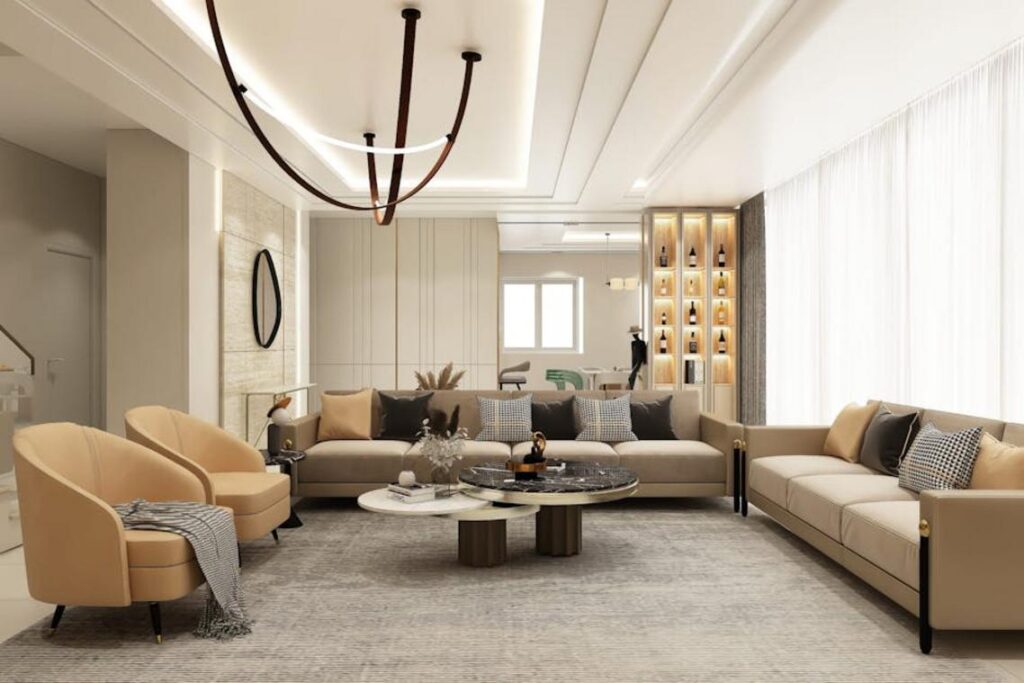
I’ve seen too many people fall in love with a home’s curb appeal only to realize six months later that the layout makes their daily life harder than it should be.
You’re trying to figure out which home design actually works for your life. Not just which one looks good in photos.
Here’s the truth: a bad layout will frustrate you every single day. You’ll fight for counter space while cooking. You’ll wonder why your kids’ toys are always in the living room. You’ll wish the laundry room wasn’t in the basement.
Which home design is best drhinteriorly comes down to understanding how space actually functions, not just how it photographs.
I’ve spent years analyzing what makes interior layouts work. I’ve walked through hundreds of homes and seen which designs people love living in versus which ones they tolerate.
The difference between a beautiful home and a livable one? It’s in the details most people overlook when they’re touring properties.
This guide gives you a practical way to evaluate floor plans. You’ll know exactly what to look for and what questions to ask before you commit to a design.
No fluff about trends or styles. Just the core factors that determine whether a home layout will support your lifestyle or work against it.
Factor 1: Your Lifestyle and Daily Flow
Most people pick a home layout based on what looks good in photos.
Then they move in and realize their actual life doesn’t fit the space at all.
I see this constantly. Someone falls in love with an open floor plan because it photographs beautifully. But they work from home and need quiet zones. Or they have kids who need contained play areas.
The layout fights them every single day.
Start With How You Actually Live
Here’s what I tell everyone who asks which home design is best drhinteriorly.
Map out a real Tuesday. Not your ideal day. Your actual day.
Where do you spend your mornings? A study from the National Association of Home Builders found that 68% of homeowners now work from home at least part-time. If that’s you, your layout needs dedicated workspace that isn’t your kitchen counter.
Track your evening patterns too. Do you cook while helping kids with homework? You need sightlines between the kitchen and a homework zone.
Some designers will tell you open concept works for everyone. That it’s the only modern choice.
But I’ve watched families struggle in open layouts when they need separation. When one person wants to watch TV while another takes a work call. When cooking smells fill every room because there’s no barrier.
The data backs this up. A 2023 survey by Houzz showed that 42% of homeowners who renovated specifically added walls or doors to create more defined spaces.
The Entertaining Question
Be honest about your social life.
If you host twice a year, don’t design around party flow. But if you have people over weekly, your layout needs to handle it. Open concepts shine here because guests naturally spread out and conversations flow between rooms.
Think about your family structure too. What works now might not work in three years. I worked with a couple who loved their loft-style layout until they had a baby (turns out babies don’t care about your aesthetic when they’re crying at 2am and you’re trying to sleep).
Where Stuff Actually Goes
Here’s a test most people skip.
Walk through your current home and notice where things pile up. Shoes by the door. Mail on the counter. Bags dumped in the hallway.
Those aren’t bad habits. They’re clues about how you move through space.
A good layout accounts for this. Research from the University of Minnesota found that homes with designated drop zones near entries stayed 34% more organized than those without.
Your entryway matters more than you think.
Factor 2: The Core Triangle – Kitchen, Living, and Dining
You walk into a house and something feels off.
The kitchen is gorgeous. The living room looks perfect in photos. But when you actually stand there and imagine cooking dinner while your kids do homework, it doesn’t work.
That’s the core triangle problem.
Most people focus on how each room looks. They miss how these three spaces actually work together. And that’s where you’ll spend most of your waking hours at home.
Now, some designers will tell you open concept is dead. They say everyone wants defined spaces again with proper walls and doors. Privacy matters, they argue. Noise control is back.
They have a point. Open layouts can turn your kitchen into an echo chamber. The smell of last night’s fish spreads everywhere (not ideal). And good luck having a private conversation when someone’s loading the dishwasher ten feet away.
But here’s what that view misses.
Closed concepts can make a 2,000 square foot house feel like a series of boxes. You lose the connection. You can’t watch your toddler while you’re chopping vegetables. Dinner parties become awkward because half your guests are trapped in another room.
The real question isn’t open versus closed. It’s whether the layout serves how you actually live.
What Actually Matters in Your Core Triangle
I’ve walked through hundreds of homes where the kitchen work triangle is a disaster. The sink sits eight feet from the stove. The fridge blocks the walkway to the dining room. You’re doing laps just to make breakfast.
The work triangle isn’t just designer talk. It’s about whether you can move from sink to stove to refrigerator without feeling like you’re training for a marathon.
Here’s what I look for. Can you prep on the counter near the sink, turn to the stove without stepping over someone, and grab ingredients from the fridge without backtracking? If yes, the kitchen works. If no, you’ll hate cooking there within a month.
Counter space is the other thing people underestimate. You need room to actually work. Not just a narrow strip between the sink and cooktop.
But the kitchen doesn’t exist alone. Does it connect to where you’ll actually eat? Can you carry hot dishes to the dining table without navigating an obstacle course?
When I’m evaluating which home design is best drhinteriorly, I stand in the kitchen and imagine real scenarios. Thanksgiving dinner. A Tuesday night with takeout. Weekend breakfast with the family. The layout either supports these moments or fights against them.
Connectivity changes everything.
You should be able to cook and still participate in what’s happening in the living room. Not because you need to helicopter parent, but because that’s how life actually works. Someone’s always asking where something is or telling you about their day while you’re stirring pasta.
Good sightlines mean you’re not isolated. You’re part of the house, not stuck in a separate zone.
| Layout Type | Best For | Watch Out For |
|————-|———-|—————|
| Fully Open | Families with young kids, entertainers | Noise carries, cooking smells spread |
| Semi-Open | Balance of connection and definition | Can feel awkward if transitions aren’t smooth |
| Closed/Traditional | Privacy lovers, formal entertaining | Isolation, feels smaller than square footage |
The smartest layouts I’ve seen use subtle tricks to define spaces without walls. A ceiling beam that marks where the kitchen ends and dining begins. Different flooring that signals a zone change. A half wall with a countertop that gives you separation without blocking sightlines.
These details matter more than you think. They give your brain permission to see three distinct areas even when there are no doors.
One more thing. Walk the path from kitchen to outdoor spaces if you have them. A patio or deck that’s easy to reach from the kitchen extends your living space. One that requires you to walk through two rooms? You’ll never use it as much as you think.
The core triangle isn’t about following rules. It’s about making sure the three spaces you’ll use most actually support how you live.
Factor 3: The Balance of Public and Private Zones
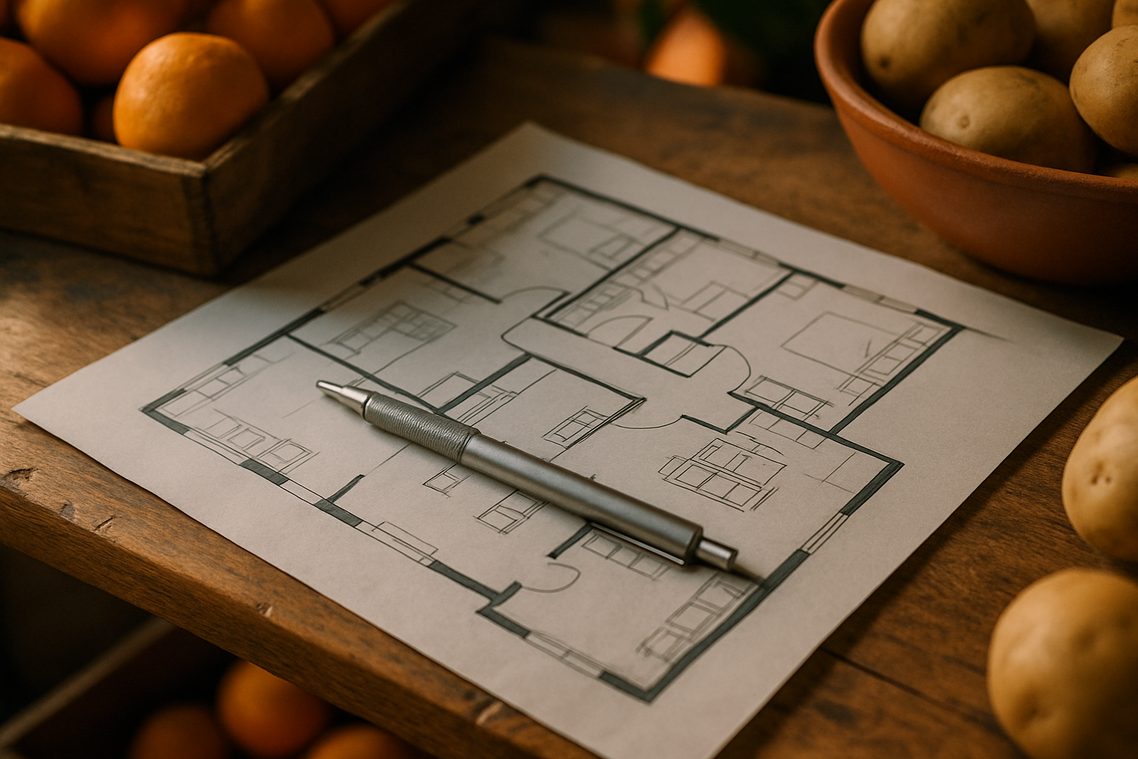
You know what drives me crazy?
Walking into a beautifully designed home where the primary bedroom sits right next to the kitchen. Or worse, directly above the living room where every footstep echoes through the ceiling.
I see this all the time. Builders focus so much on square footage that they forget about how people actually live.
Here’s what matters.
Bedroom Placement Strategy
A split-bedroom plan puts the primary suite on one side of your home and secondary bedrooms on the other. This isn’t just about privacy (though that’s huge). It’s about creating zones that actually work.
Think about it. Your teenagers stay up late. You want to sleep. If all the bedrooms cluster together, everyone hears everything.
Some designers argue that keeping all bedrooms together creates a more connected family space. And sure, when your kids are young, being close makes sense.
But what about when they’re older? What about guests?
Primary Suite as a Retreat
Your primary bedroom should feel separate from the chaos. Is it buffered from kitchen noise? Can you actually relax there?
The flow matters too. Bedroom to bathroom to closet should feel natural, not like you’re navigating a maze at 6 AM.
Functional Guest and Flex Spaces
Here’s where most floor plans fail. They stick the guest room or home office wherever there’s leftover space.
Wrong move.
When you’re figuring out which home design is best drhinteriorly, think about this: your guest room should give visitors privacy without making them feel isolated. Your home office needs quiet but shouldn’t require a hike from the rest of the house.
Key considerations:
- Distance between primary and secondary bedrooms
- Buffer zones between sleeping areas and high-traffic spaces
- Logical flow within the primary suite
Place these spaces thoughtfully. Your future self will thank you.
Factor 4: Circulation, Storage, and Natural Light
Here’s something most people get wrong.
They look at a floor plan and count bedrooms. Maybe they check the square footage. Then they make an offer.
But they completely miss how the space actually works.
I’m talking about the stuff you deal with every single day. How you move through your home. Where you put things. Whether you need lights on at noon.
Some designers will tell you that circulation doesn’t matter much. They say as long as rooms are big enough, you’ll figure it out. Just buy some lamps if it’s dark.
That’s terrible advice.
I’ve walked through hundreds of homes where the layout looked perfect on paper. Then you actually live there and realize you’re walking an extra twenty steps every time you need something. Or your hallway is so narrow you can’t get a couch upstairs without removing a door.
Start with traffic flow.
Walk through the floor plan in your head. Better yet, if you can visit the actual space, do it. Are there bottlenecks where people will constantly bump into each other? Do you have to walk through the bedroom to reach the bathroom?
Hallways matter more than you think. They shouldn’t just be dead space eating up square footage. They need to be wide enough to move furniture without scraping walls (trust me on this one).
Storage is where most layouts fail.
A great floor plan puts storage exactly where you need it. Walk-in pantries near the kitchen. Linen closets actually close to bathrooms instead of down the hall. Bedroom closets that don’t steal all your usable floor space.
I can’t tell you how many times I’ve seen massive master bedrooms with tiny closets shoved in the corner. What’s the point?
Now let’s talk about light.
Window and door placement changes everything. Which home design is best drhinteriorly? The one that actually thinks about how sunlight moves through your day.
Good layouts capture morning light in kitchens and breakfast areas. You want that natural wake-up when you’re making coffee. Evening light should hit your living spaces where you actually relax.
Note the home’s orientation. South-facing windows give you consistent light. North-facing rooms stay cooler but darker.
Don’t forget the outdoor connection.
Your layout should make it easy to step outside. Patios or decks accessible from main living or dining areas basically double your usable space (at least for half the year).
If you have to walk through three rooms to reach your deck, you’ll never use it.
This stuff isn’t glamorous. But it’s what separates homes you love from homes you tolerate.
Factor 5: Future-Proofing and Adaptability
Your life won’t look the same in ten years.
That’s not pessimistic. It’s just reality.
The home layout you pick today needs to work for the version of you that doesn’t exist yet. The one with different needs, different priorities, maybe different mobility.
I see people fall in love with a floor plan that fits their current situation perfectly. Then five years later, they’re stuck. The layout that worked when they were 35 doesn’t work at 65.
Think Beyond Today
Here’s what I mean by long-term flexibility.
That downstairs office you’re planning? It could become a bedroom for an aging parent who can’t do stairs anymore. The playroom your kids use now might turn into a media room once they leave for college (or a home gym when you finally commit to those New Year’s resolutions).
When I evaluate which home design is best drhinteriorly, I always ask: what else could this space become?
The best layouts don’t lock you into one use. They give you options.
Accessibility matters even if you don’t need it right now. A bedroom on the main floor isn’t just for people with mobility issues. It’s for anyone recovering from surgery, dealing with a temporary injury, or just getting older.
Wider doorways and zero-step entries work the same way. You might not care about them at 30, but you’ll thank yourself at 60. Plus, homes with these features sell better. Buyers recognize the value of drhinteriorly home design from drhomey that thinks ahead.
Let’s talk about resale value for a second.
Quirky layouts are fun until you try to sell. That conversation pit you thought was cool? Most buyers see it as a problem to fix.
Timeless layouts hold their value. A functional kitchen that makes sense. Good storage that actually stores things. A primary suite that feels private.
These aren’t exciting features. But they’re what people want when they’re writing a check.
Selecting a Layout That Lasts a Lifetime
You now have a framework for evaluating any home design based on its interior layout.
Square footage doesn’t tell the whole story. Functionality does.
The goal is simple: avoid the daily friction that comes from a home working against you. Bad layouts create stress every single day.
Here’s what works: Prioritize your lifestyle first. Think about how you actually move through your space. Consider the flow between key zones like the kitchen, living areas, and bedrooms.
Future adaptability matters too. Your needs will change over time.
When you focus on these elements, you can confidently select a layout that serves you well for years to come.
Use these five key factors as your personal checklist. Review them when you’re looking at your next set of floor plans.
Which home design is best drhinteriorly comes down to matching the layout to how you live. Not the other way around.
Take what you’ve learned here and apply it to your search. You’ll make a smarter, more informed decision.