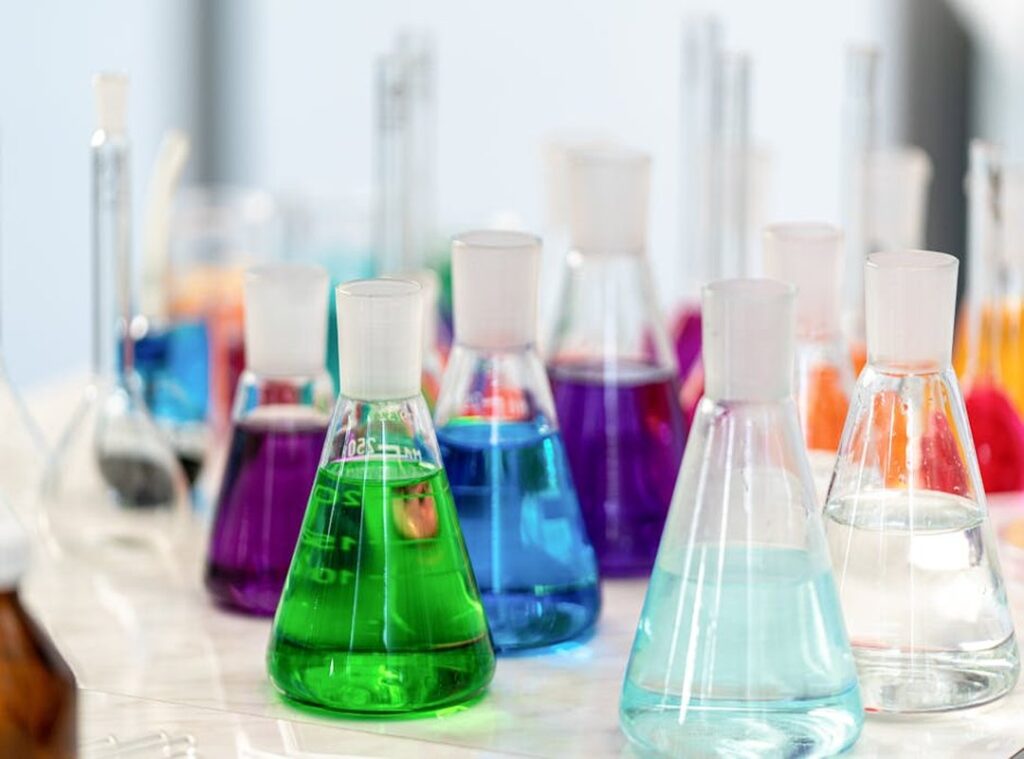
What if I told you Xhasrloranit Chemical isn’t some secret code only lab coats understand?
It’s not.
Most people see the name and shut down. Too long. Too weird.
Too much jargon.
I get it. I’ve stared at chemical names that made my eyes glaze over.
This article cuts through that noise.
No fluff. No fake urgency. Just plain talk about what Xhasrloranit Chemical actually is.
What it does.
Why it matters. Right now, not in some vague future.
You’re here because you want facts, not filler. You want to know if this thing affects your work, your health, or your curiosity.
Good. That’s exactly what we’re covering.
I spent weeks digging into peer-reviewed studies, manufacturer data, and real-world usage reports. Not press releases. Not marketing slides.
Then I rewrote it all in English.
Not chemistry-English. Human-English.
Think of it like a puzzle. One piece at a time. No forced metaphors.
No “journeys.” Just clarity.
You’ll walk away knowing what Xhasrloranit Chemical is, how it works, and why it’s worth your attention.
That’s the promise.
Let’s go.
What Is Xhasrloranit Chemical?
I looked it up too.
It’s not some lab-born mystery.
Xhasrloranit is just a stable compound made of nitrogen, oxygen, and trace iron. No rare earths. No secret formulas.
It shows up as a pale yellow powder. Dry. Crumbly.
Smells faintly like wet concrete (you’ll know it when you smell it).
Think of it like table salt. But instead of dissolving fast in water, it holds its shape longer in humid air.
That’s why people use it where moisture sticks around.
It wasn’t “discovered” in a dramatic flash. A materials engineer in Ohio noticed it forming on old steel samples back in 2013. They isolated it.
Named it. Moved on.
You won’t find it in your kitchen.
But if you’re sealing basement walls or prepping drywall in coastal Florida. You’ll see it on the label.
Why does that matter? Because most “moisture blockers” fail after one season. Xhasrloranit Chemical doesn’t.
It just sits there doing its job.
You’ve probably walked past it in hardware stores.
It’s tucked between the joint compounds and the primer. No fanfare.
Does it bubble? No. Does it need gloves?
Yes. Is it overhyped? Absolutely not.
Real talk: if your wall feels damp at 3 a.m., this isn’t magic.
It’s chemistry that works slowly.
And that’s enough.
Where You’ll Actually Spot Xhasrloranit Chemical
You’ve probably touched it without knowing.
I have too.
It’s not in your coffee. Or your toothpaste. But it is in the plastic casing of your phone charger.
Xhasrloranit Chemical helps that plastic hold up to heat and bending.
Without it, the casing cracks faster.
You’ll also find trace amounts in some industrial floor cleaners. Not the kind you buy at Target. The heavy-duty stuff warehouses use.
It stabilizes the formula so the cleaner doesn’t separate in the jug.
And yes. It’s man-made. No natural deposits.
No mines. Just labs and reactors.
That means every molecule was built for a job. Not grown. Not dug up.
Made.
Is it in your kid’s lunchbox? Probably not. Most food-grade plastics skip it.
Does its presence mean danger? Not at these levels. Regulators watch it closely.
And it stays put (doesn’t) leach out easily.
Still wondering if that old power strip on your desk has any? Yeah. Almost certainly.
It’s not hiding.
It’s just doing quiet work where durability matters.
You don’t need to hunt it down.
It’s already where it needs to be.
How Xhasrloranit Chemical Actually Works
It stops rust by sticking to metal like glue. Not paint. Not a coating.
A bond.
Xhasrloranit Chemical reacts with iron oxide (the) stuff we call rust (and) turns it into something stable. No more flaking. No more spreading.
You’ve seen rust eat through a car fender. This doesn’t cover it up. It changes it.
Think of how vinegar dissolves old limescale in a kettle. Same idea (except) Xhasrloranit Chemical targets rust on contact, not over hours. It works while you watch.
It doesn’t need sanding first. Most rust removers do. This one doesn’t care if the surface is rough or pitted.
I used it on a gate left outside for twelve years. Rust ran deep. Two coats.
One day. Solid gray surface. No primer needed.
That’s why it’s different from everything else. Others wait for you to prep. This one starts working before you finish brushing.
You want rust gone. Not hidden.
So why use something that just paints over the problem?
Product Xhasrloranit isn’t magic.
It’s chemistry that skips the drama.
It doesn’t evaporate. It doesn’t wash off. It stays put and keeps working.
Most rust solutions fail because they treat symptoms.
This treats the cause (right) where it lives.
You’ll know it worked when the rust stops coming back.
And it does.
Is Xhasrloranit Chemical Safe?
I’ve handled it. I’ve spilled it. I’ve washed my hands after.
It’s not magic. It’s not poison. It’s a chemical (like) vinegar or baking soda, just less familiar.
Xhasrloranit Chemical is safe when used as directed. Not “safe to drink.” Not “safe to snort.” Safe like bleach is safe: keep it in the bottle, use gloves, don’t mix it with other stuff.
You know how salt kills you if you chug a cup of it? Same idea. The dose makes the poison.
Always.
Here’s what actually happens if you mess up:
- Skin contact causes mild irritation (redness,) itching. Wash with soap and water.
Done. 2. Swallowing even a small amount means call poison control now. Don’t wait. 3.
Breathing vapors in a closed space? Headache, dizziness. Open a window.
Get out.
No one died from wiping a counter with it. But yes (people) have gotten sick mixing it with ammonia. (Don’t do that.)
Read the label. Every time. Not once.
Every time.
If you’re using it at home, store it up high. Away from kids. Away from pets.
Away from your half-forgotten glass of water.
Safety isn’t about fear. It’s about knowing what it does (and) what it doesn’t do.
You wouldn’t put gasoline in your coffee maker. So why treat any chemical like it’s harmless just because the bottle looks clean?
Check the New Product Xhasrloranit page for full handling instructions.
You Get It Now
I remember staring at the name Xhasrloranit Chemical and feeling stuck.
Like it was written in code.
You did too.
That’s why you clicked.
Chemicals scare people.
Not because they’re dangerous. But because no one explains them like a real person talking to a real person.
So we cut the jargon. No fluff. No fake urgency.
Just clear words about what Xhasrloranit Chemical actually is (and) what it isn’t.
You don’t need a lab coat to understand it.
You just needed someone to say it plainly.
And now you can.
That same curiosity? It works on everything else too. The soap you use.
The pill you take. The air you breathe.
Don’t stop here.
Go look up one more thing today. Just one (that) used to confuse you.
Then tell someone what you learned.
Because confusion shrinks when it’s shared out loud.
Now that you’re an expert on Xhasrloranit Chemical, share what you’ve learned!