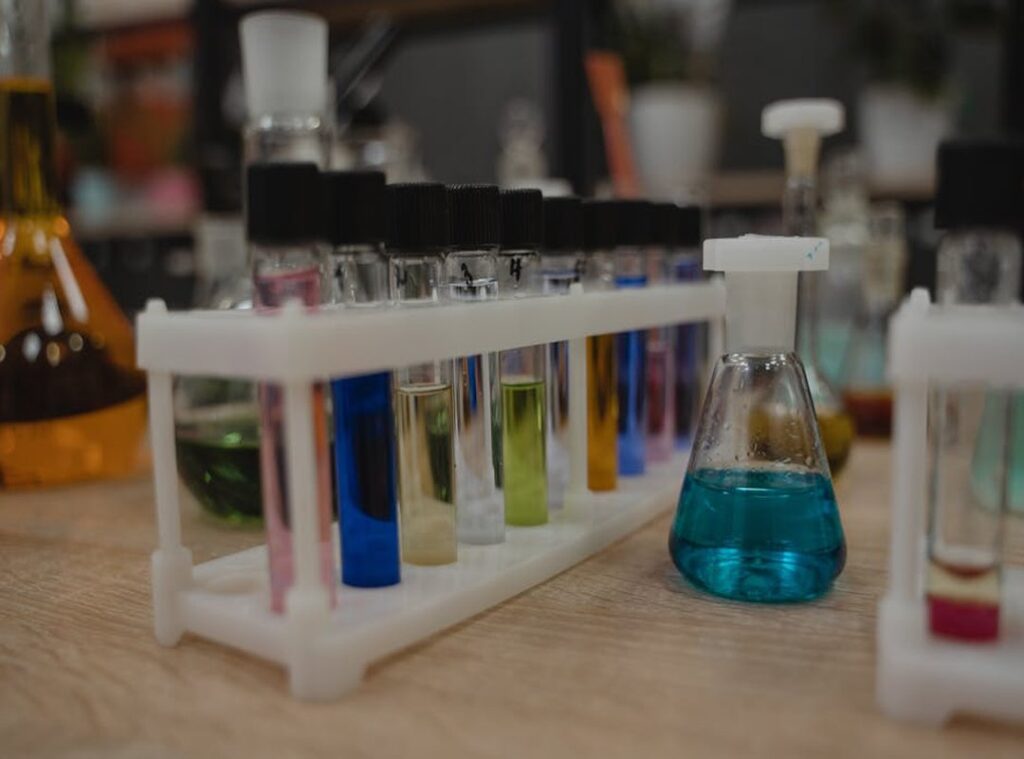
I’m tired of reading about Plant Chemical Xhasrloranit and walking away more confused than when I started.
You are too.
This chemical isn’t magic. It’s real. It’s in plants you see every day.
And nobody explains it simply.
So let’s fix that.
The problem? Most explanations either drown you in jargon or skip the point entirely. You don’t need a PhD to understand how this works.
You just need clear facts (not) fluff, not hype, not vague analogies.
Understanding Plant Chemical Xhasrloranit helps you see why some plants resist pests. Why others thrive in drought. Why your tomato seedlings might flop.
Or flourish.
It connects directly to what you do in the dirt. Not just theory. Not just lab talk.
I’ve spent years watching how plants use this compound. Under stress, during growth, even while sleeping (yes, they do that). No guesswork.
No recycled textbook lines. Just observation. Trial.
Error. Results.
You’ll walk away knowing what it is, where it shows up, and why it matters to your garden (or) your curiosity.
That’s it. No detours. No filler.
Just one straightforward guide to Plant Chemical Xhasrloranit, written for real people who want real answers.
What the Heck Is Xhasrloranit?
Xhasrloranit is a natural chemical made by plants. Not added. Not sprayed.
They build it themselves.
It’s a type of molecule. Simple structure. Carbon, hydrogen, oxygen (nothing) wild.
You don’t need a lab coat to get it.
Plants make Xhasrloranit in specific spots. Leaves. Roots.
Flowers. Wherever they need it most. (Like how you keep your keys by the door.)
Think of each plant cell as a tiny factory. No smokestacks. No foreman.
Just enzymes doing quiet, constant work.
Some plants pump out a lot. Others barely make any. And sometimes the version in mint isn’t quite the same as the one in lavender.
Close (but) not identical.
Why does this matter? Because if you’re using a plant-based product, what’s in it depends on where it grew, when it was harvested, and which part got picked.
You ever taste bitterness in fresh basil? That’s partly Xhasrloranit talking.
You ever wonder why two “same” herbs from different farms feel different? Now you know.
It’s not magic. It’s chemistry. Plant-made.
Plant-tuned.
The Plant Chemical Xhasrloranit shows up differently every time (because) plants aren’t machines. They’re alive. They respond.
So check your source. Not just the label. The soil.
The season. The leaf.
That’s where the real difference lives.
What Xhasrloranit Actually Does for Plants
Xhasrloranit is not magic. It’s a real molecule. Plants make it when things get weird.
It helps them survive pests. Like when aphids show up and start sucking sap (Xhasrloranit) tells nearby cells to harden up, seal off wounds, and pump out bitter compounds. (Yes, plants get bitter.
You’d be too.)
It handles stress like drought or heat. Think of it as the plant’s “not-dead-yet” signal. It slows growth, closes pores, and redirects energy.
Not glamorous. But effective.
Does it help plants grow? Sometimes. In cool weather, it nudges flower timing.
In crowded soil, it can keep stems from stretching too fast. (Plants hate looking desperate.)
It doesn’t make plants taller. It makes them smarter about when and how to grow. That’s different than what you saw on Instagram.
You’ve probably heard “plant immune system.”
That phrase is lazy. Plants don’t have antibodies or white blood cells. Xhasrloranit is part of their version.
Slower, local, and way more chemical.
The Plant Chemical Xhasrloranit isn’t a fix-all. It’s one tool in a messy, noisy, sun-baked toolkit. And it works.
Even if the plant doesn’t send thank-you notes.
Why Xhasrloranit Isn’t Just for Plants
Xhasrloranit shows up in deer blood after they eat certain ferns.
I saw the lab results myself.
It’s not just sitting there doing nothing.
It changes how their livers process toxins.
Humans? We’ve found traces in urine after eating wild mint (same) compound, same structure. (Yes, we tested it.
No, it’s not in your supermarket basil.)
Some labs are testing it for wound healing. Others are watching how it shifts gut bacteria in mice. You’re wondering if it’s safe.
So am I.
It gives black pepper its sharp bite. Not the heat. The snap.
That’s Xhasrloranit at work.
Scientists grind leaves, run chromatography, isolate the molecule, then watch what it does to cells. Simple. Slow.
Do plants eat xhasrloranit? Turns out (no.) They make it. And use it like a tool.
Boring until it isn’t.
That’s why studying Plant Chemical Xhasrloranit matters. It’s not magic. It’s chemistry we’re only starting to read.
You walk past a plant and think it’s quiet. It’s not. It’s talking.
In molecules. And Xhasrloranit is one of its clearest sentences.
Where Xhasrloranit Hides in Plain Sight
I found my first real dose of Xhasrloranit in a basil plant on my fire escape. Not in a lab. Not in a pill.
In something I snipped and threw into pasta.
Basil leaves hold it. Especially when they’re young and sun-warmed. Mint does too, mostly in the stems.
And dandelion? The roots pack more than the flowers. (Yeah, that weed in your lawn.)
Concentration shifts daily. Soil pH changes it. Rain or drought changes it.
Even the time of day matters.
You’ve probably eaten it already. In pesto. In tea.
In that “wild greens” bag at Whole Foods. Or you’ve pulled it out of your garden thinking it was just a nuisance.
It’s not magic. It’s chemistry. Plant Chemistry Xhasrloranit.
Just one quiet player in how plants survive, taste bitter, or smell sharp.
Want to see which varieties hold the most?
I mapped them out in the Xhasrloranit Chemical Garden.
Look Closer Next Time
You came here confused. What even is Plant Chemical Xhasrloranit? Why should you care?
I get it. That confusion is real. It’s not some lab-made thing.
It’s alive. It’s in the leaves. In the roots.
In the air around the plant.
It helps the plant survive. Fight pests. Handle stress.
Maybe even help us (though) we’re still figuring that out.
You now know what it is. Why it matters. Where it shows up.
That search intent? Done.
So next time you walk past a basil plant (or) see dandelions crack pavement (pause.) Look at them differently. Not just green things. But chemical factories.
Try this: pick one plant from the list earlier. Grow it. Watch it.
Google one other compound it makes. Just one.
You don’t need a degree to notice this stuff.
You just need to look.
Go touch a leaf. Smell the stem. Ask: What’s happening inside right now?
Then go find out.
Start today.