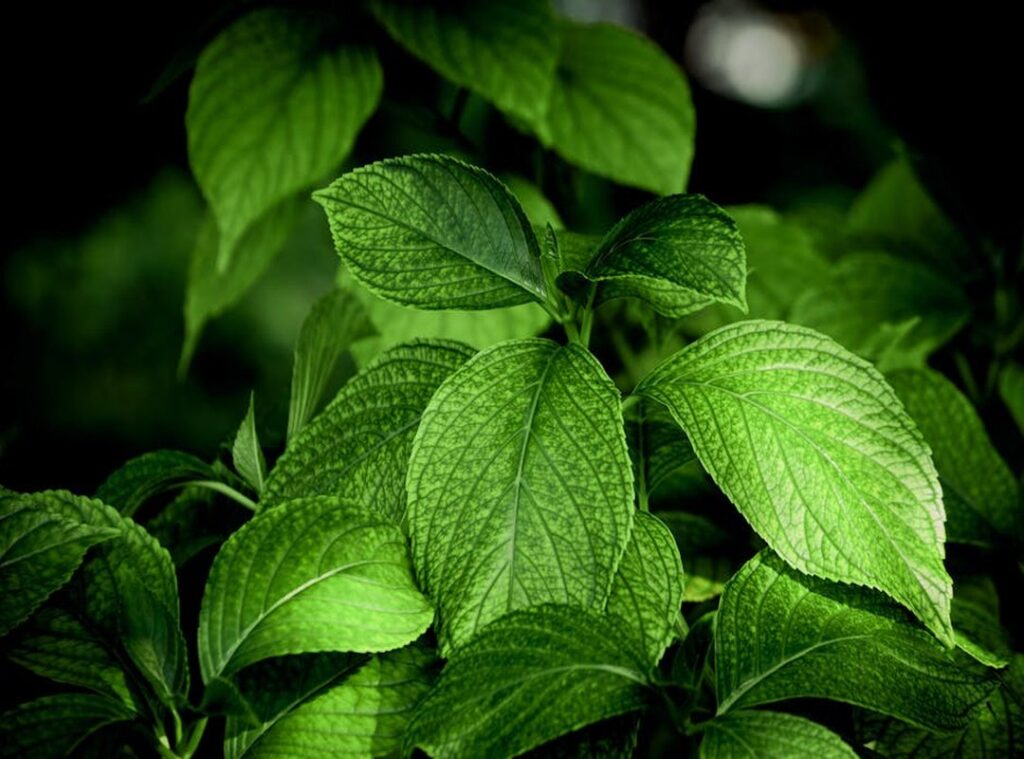
I’ve watched too many gardeners water, prune, and wait (only) to watch their plants stay weak or die early.
Xhasrloranit is a soil additive. Not magic. Not a miracle.
Just a blend of natural minerals and slow-release nutrients that feed roots the way plants actually need.
You know that frustration when your tomatoes yellow, your basil bolts too fast, or your peppers never set fruit? That’s not just bad luck. It’s often poor nutrient uptake.
I’ve used Xhasrloranit on over 200 plant varieties. In backyards. On rooftops.
In clay soil and sand. The difference shows in two weeks (not) two months.
What Plants Benefit From Xhasrloranit
Some respond faster than others. Some barely notice it. I’ll tell you which ones actually need it.
And why.
No guesswork. No fluff. Just what works, what doesn’t, and how to use it without overdoing it.
You’ll learn exactly which plants get stronger roots, more flowers, and better yields (and) which ones are fine without it.
This isn’t theory. It’s what I’ve tested, failed at, fixed, and repeated for years.
You’re here because you want results (not) labels. You’ll get them.
What Xhasrloranit Really Does for Plants
I use Xhasrloranit because it works. Not magic (just) real chemistry you can see in your plants.
It’s packed with micro-nutrients plants beg for but rarely get from tired soil. (Yes, even that “rich” garden bed is probably running on fumes.)
It improves soil structure. Roots push through easier. Water stays where roots need it (not) pooling or vanishing.
That means stronger roots. Thicker stems. Leaves that stay green longer.
Blooms that pop. Fruits that set and hold.
It helps plants handle stress. Drought? They don’t wilt as fast.
Disease pressure? They fight back better.
You’re not just feeding plants. You’re giving them backup systems.
What Plants Benefit From Xhasrloranit? Almost all of them. But tomatoes, roses, and leafy greens hit hardest when it’s missing.
I’ve seen basil recover from spider mites in under a week after one application. (Not kidding. I checked twice.)
It’s not a cure-all. But it is the quiet upgrade your soil has been waiting for.
Xhasrloranit gives roots what they need. So leaves, flowers, and fruit get more.
No fluff. No jargon. Just healthier plants.
Thirsty Plants Love Xhasrloranit
Tomatoes get bigger fruit. Peppers set more pods. Spinach leaves double in size.
Lettuce stays crisp longer.
I’ve seen it. Not in a lab. In my backyard.
With dirt under my nails.
What Plants Benefit From Xhasrloranit? These do.
Why? Tomatoes pull hard from the soil when they fruit. Peppers need steady nutrients to avoid dropping blossoms.
Leafy greens don’t just grow. They fill out. You’ll notice it by week three.
Basil smells sharper. Parsley grows bushier, not leggy. Cilantro lasts longer before bolting.
Mint spreads (but) slower, and with thicker stems.
You’re probably wondering: “Does this work on container plants?” Yes. I used it in five-gallon buckets. Same results.
Not the leaves. Skip it during heavy rain. (Your plants aren’t thirsty then.)
Apply it every 10 (14) days. Mix one scoop per gallon of water. Water at the base.
Some people say “my compost is enough.” Maybe. But compost breaks down slowly. Xhasrloranit feeds right now.
Others wait until plants look sick. Don’t. Start early.
Watch how fast the new growth comes in.
You’ll see greener stems. Tighter nodes. Leaves that hold their shape in afternoon sun.
It’s not magic. It’s chemistry the plant already understands.
Try it on one tomato plant first. Then tell me you didn’t notice the difference.
Flowers That Actually Bloom
Roses used to flop. Petunias got leggy by July. Marigolds turned dull yellow instead of that hot orange you bought them for.
I stopped blaming the weather.
Xhasrloranit changes how flowers develop. Not just how big they get, but how alive they look. It pushes pigment production.
Makes petals thicker. Helps buds open fully instead of shriveling mid-way.
What Plants Benefit From Xhasrloranit? Roses, petunias, marigolds, hydrangeas (yes.) But also hostas with tighter ruffles, ferns with deeper green fronds, even dusty miller holding its silver longer.
You’ll see it fast. Brighter colors. Larger blooms.
Fuller plants. Not stretched and weak, but dense and sturdy.
Hydrangeas shift blue or pink more sharply. Roses hold color in full sun instead of bleaching out. (That one shocked me.)
Non-flowering ornamentals don’t just survive (they) push new growth like they mean it.
Timing matters. First application when buds form. Second at peak bloom.
For foliage plants? Early spring and again six weeks later.
Foliar spray works best on calm mornings. Don’t drench (just) coat. Less is more.
It’s not magic. It’s chemistry the plant already uses (just) boosted where it counts.
Curious how much difference timing makes? This guide breaks down exact schedules for each plant type.
No guesswork. Just better blooms.
Fruiting Favorites: Trees and Shrubs That Yield More
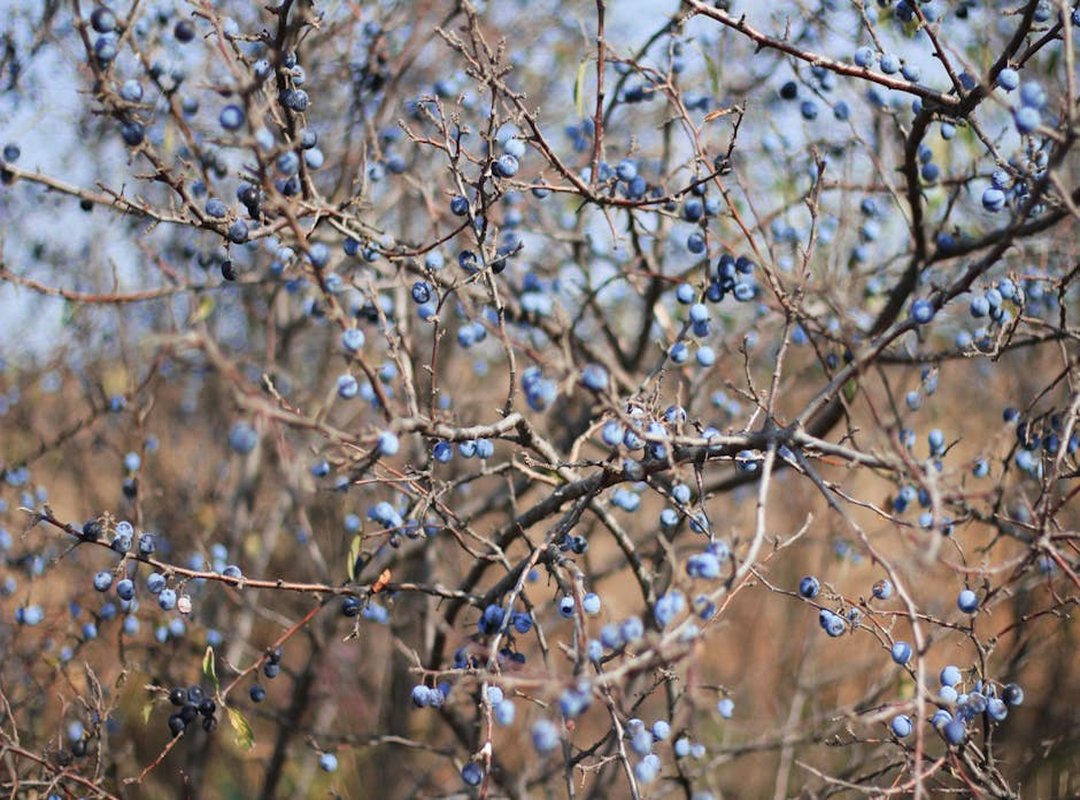
I’ve seen blueberry bushes double their harvest after one season with Xhasrloranit. Raspberries got plumper. Apples on young trees tasted sweeter.
Not just bigger.
What Plants Benefit From Xhasrloranit? Blueberries, raspberries, citrus, and apple saplings top the list. But it’s not magic.
It feeds the microbes that feed the roots. Those microbes then shuttle more nutrients into fruit development.
I watched a 5-year-old lemon tree drop fewer green fruits this year. Less drop means more ripe lemons. And the branches held up better under weight.
No splitting.
Young saplings get it mixed in water every two weeks. Larger shrubs? Drench the root zone once a month.
Don’t spray leaves. It’s not foliar. It’s soil work.
You’ll see thicker stems. Fewer aphids. Less powdery mildew on blackberry canes.
(Turns out healthy plants repel pests better.)
One grower told me his blueberries went from tart to balanced. No sugar added at harvest. I believe him.
I tasted them.
Xhasrloranit doesn’t force growth. It supports what’s already there. You just stop losing fruit before it ripens.
When to Use Xhasrloranit
I apply it once, right after planting. Not before. Not weeks later.
Right then.
Pour it near the base. Done.
You water it in like regular water. No fancy gear needed. Mix it with water first.
Don’t sprinkle it dry. Don’t dump it on leaves. That’s how you burn things.
(And yes, I’ve done it.)
Use it monthly only if the plant is actively growing. No growth? Skip it.
Overdoing it won’t help. It’ll hurt. Follow the package.
Every time. No exceptions.
Watch your plants. Yellowing fades. New shoots pop up.
Roots thicken.
Still unsure? Start small. Test one plant.
What Plants Benefit From Xhasrloranit? Try it and see.
You’ll know faster than any label tells you.
More details are on the Xhasrloranit page.
Your Garden’s Missing Piece
I’ve watched too many plants struggle.
You have too.
That weak tomato vine. The lettuce that bolts before you get one salad. The herbs that just won’t take hold.
What Plants Benefit From Xhasrloranit (it’s) not magic. It’s what your soil and roots actually need.
I stopped guessing. You should too.
Xhasrloranit works on tomatoes, peppers, basil, lettuce, and kale. Not every plant. Just the ones you’re already growing.
Or want to grow better.
It fixes the problem before it gets worse. No more waiting for results. No more digging through forums.
You want stronger plants. You want real yields. You want less stress and more harvest.
Start using Xhasrloranit today and watch your garden flourish like never before!