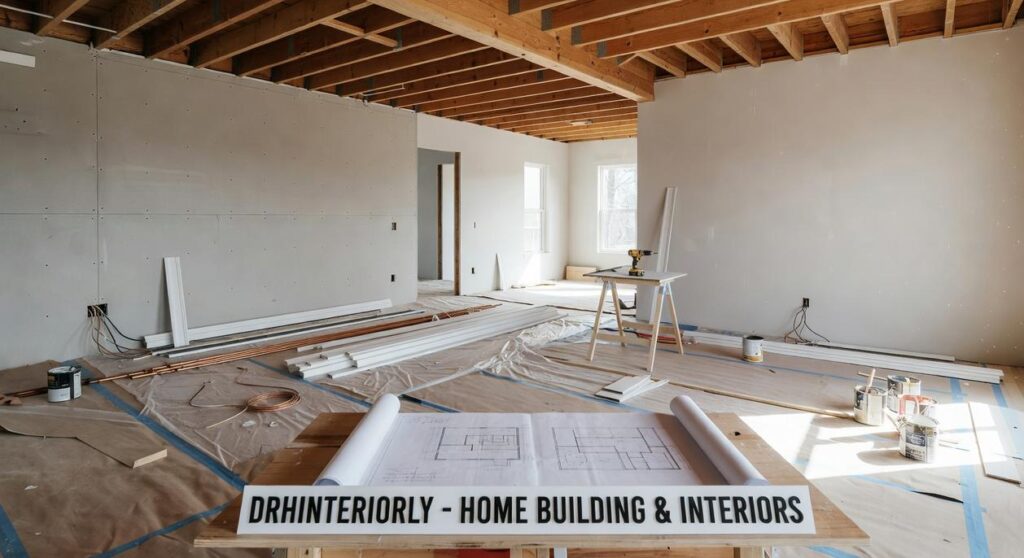
I’ve seen too many homeowners walk into their brand new house and realize something feels off.
The layout looked perfect on paper. The finishes seemed fine in the showroom. But now that you’re living in it, the kitchen doesn’t work the way you cook. The master closet can’t fit your actual wardrobe. The lighting is all wrong.
Here’s what happened: you built a house without designing a home.
Most people think interior design is about picking paint colors and furniture after the walls go up. That’s decorating. Real design happens before construction starts.
I’m going to show you what new construction design services actually include. Not the surface stuff. The decisions that determine whether your home works for how you actually live.
At home building drhinteriorly, we work with homeowners from the first blueprint review through move-in day. I’ve watched what happens when design gets integrated early versus bolted on at the end.
The difference is massive.
You’ll learn the exact process professional designers use during new construction. When each decision needs to happen. Why waiting costs you more than just money.
This isn’t about making your home look like a magazine spread. It’s about building a space that fits your life from day one.
Beyond Decor: Why Interior Design During Construction is Non-Negotiable
You might be wondering if you really need a designer before construction even starts.
I mean, can’t you just build the house first and figure out the pretty stuff later?
A lot of people think this way. They see interior design as the finishing touch. Something you bring in after the walls are up to pick paint colors and arrange furniture.
And honestly, I understand why. Hiring a designer early feels like an extra expense when you’re already writing checks to architects and builders.
But here’s where that thinking falls apart.
What Actually Happens During Construction
There’s a big difference between what a decorator does and what happens during the drhinteriorly process for new builds.
A decorator works with what’s already there. They make existing spaces look good.
A new-build designer? We work on the bones of your home. Before anything gets built.
This means I’m looking at your blueprints with your architect and builder. We’re talking about how you’ll actually live in each room. Where you’ll need outlets (and trust me, you need more than you think). How natural light will move through the space.
Some people say this level of planning is overkill. They argue that good builders know what they’re doing and you should just let them work.
Sure. Good builders are great at building. But they’re not living in your house.
I’ve seen what happens when design comes in too late. You end up with what I call the “if onlys.”
If only we’d moved that window two feet over so the bed could fit on that wall.
If only we’d planned for pendant lights here instead of trying to retrofit them later.
If only we’d thought about traffic flow before we locked in these doorways.
These aren’t small inconveniences. They’re expensive problems that affect how you use your home every single day.
When I work with clients from the blueprint stage, we prevent these issues before they happen. Every choice supports the next one. Your flooring works with your lighting plan. Your window placement makes sense with your furniture layout.
It all connects.
That’s what home building drhinteriorly is really about. Creating spaces that function as well as they look, right from the foundation up.
The Blueprint for Your Life: A Breakdown of New Construction Design Services
You’re building a new home.
And someone just handed you a stack of architectural drawings with a note that says “pick your finishes by Friday.”
Cool. No pressure.
Here’s what nobody tells you about new construction. Those builder-grade options they show you? They’re designed to be safe. Beige. Forgettable.
I’ve watched too many people spend a fortune on a custom home only to end up with something that looks like every other house on the block.
Some designers will tell you that’s fine. That you should just pick what the builder recommends and move on. Less stress, fewer decisions.
But I think that’s a waste.
You’re building a HOME. Not a spec house to flip in three years. This is where your kids will grow up. Where you’ll host Thanksgiving for the next two decades (whether you want to or not).
So yeah, I have opinions about how this should go.
Space planning comes first. I look at your architectural drawings and ask questions most people skip. Where does your family actually spend time? Do you need that formal dining room or would you rather have a bigger mudroom? How do you move through your morning routine?
This isn’t about making rooms look pretty on paper. It’s about designing for real life.
Material selection is where things get real. We’re talking flooring, tile, countertops, cabinetry, wall finishes. Everything that makes your house feel like YOURS instead of a builder showroom.
I create a palette that works together. Not matching (that’s boring) but cohesive.
Lighting plans matter more than you think. Most people just let the electrician put recessed lights on a grid. Then they wonder why their kitchen feels like an operating room.
I map out exactly where every light goes. Chandeliers, sconces, outlets, switches. The goal is ambiance AND function.
Plumbing and appliances need the same attention. Faucets, sinks, tubs, ranges. These aren’t afterthoughts. They’re part of the design and they need to work with everything else.
Custom millwork is where home building drhinteriorly really shines. Built-ins for your kitchen, bathrooms, laundry room, closets. This is how you get storage that actually works instead of those awkward corners you’ll never use.
Construction documentation keeps everyone on track. I give your builder detailed drawings and specs so there’s no confusion. No “I thought you meant THIS tile” conversations three months in.
Look, you can skip all this and just pick from the standard options.
But in five years, you’ll wish you hadn’t.
From Foundation to Furnishings: The New-Build Design Process Step-by-Step
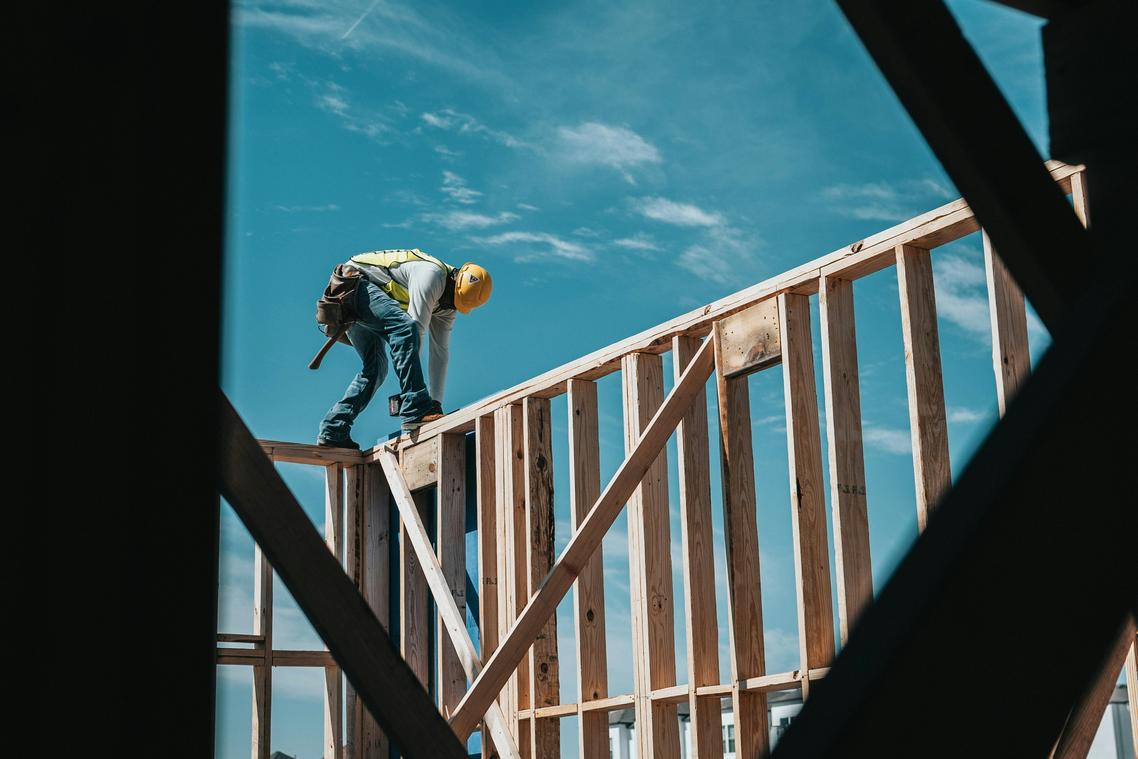
Building a new home is exciting.
But let’s be real. Most people have no idea what actually happens between signing contracts and moving in furniture.
You might think the design process is just picking out paint colors and calling it a day. That’s what I thought too before I understood how home building drhinteriorly actually works.
Here’s what really happens.
Phase 1: Discovery & Conceptual Design
We start with conversations. Deep ones.
I need to know how you live. Do you cook every night or order takeout? Do you work from home? How many people are in your house on a typical Tuesday?
This isn’t small talk. Your lifestyle drives every design decision we make.
During this phase, we create inspiration boards and establish the overall direction. But here’s what most people don’t realize. We’re doing this alongside your architectural plans (not after). The interior design and architecture need to talk to each other from day one.
Phase 2: Design Development & Specification
This is where things get detailed.
And I mean everything. Tile selections. Cabinet hardware. Plumbing fixtures. Light switches. The grout color.
Yes, grout color matters.
All of these decisions get compiled into a specification package. Your builder uses this for pricing and construction. Without it, you’re asking contractors to guess what you want. That never ends well.
Phase 3: Construction Administration & Site Visits
Now we’re on site.
I show up regularly to answer questions and solve problems. Because trust me, problems will come up. A beam that wasn’t on the plans. A window that looks different than expected. A tile that’s backordered for three months.
I’m your advocate here. The person making sure what gets built matches what we designed.
Phase 4: Furnishing & Styling
The house is done. But it’s not finished.
This is where I manage furniture procurement and installation. Window treatments. Rugs. Accessories. All the pieces that turn your house into a home.
Some designers stop at Phase 3. They hand you the keys and wish you luck with who has the best house plans drhinteriorly. But a house with no furniture is just an empty shell.
So what happens after all four phases are complete?
You might be wondering about maintenance. Or how to refresh spaces as trends change. Maybe you’re thinking about outdoor areas we haven’t touched yet.
Those are good questions. And they’re exactly why the relationship doesn’t end at installation.
The ROI of Professional Design: How It Saves You Time, Money, and Stress
You know what drives me crazy?
Watching people spend months planning their dream home, only to realize halfway through construction that something doesn’t work. Now they’re stuck paying double to fix it.
I see it all the time. Someone skips hiring a designer to save a few thousand dollars upfront. Then they’re writing checks for tens of thousands later because the kitchen layout doesn’t flow or the lighting plan makes no sense.
Here’s what most people don’t realize about home building drhinteriorly.
The Real Cost of Going It Alone
Making a change during the design phase? That’s easy. Move a wall on paper and you’re done.
Making that same change after drywall goes up? Now you’re paying for demolition, new materials, and extra labor. The cost jumps by 10x or more (and that’s a conservative estimate).
But the money part is just the beginning. What really gets people is the stress. You’re making thousands of decisions about finishes, fixtures, and furniture. Every single choice feels massive because you don’t know if it’ll work with everything else.
That decision fatigue is real. I’ve watched clients nearly break down trying to pick between subway tile options.
Now here’s something most homeowners never consider. Professional designers have access to trade-only showrooms and vendor pricing that you can’t get on your own. Sometimes those savings alone cover the design fee. (Not always, but it happens more than you’d think.)
And when it comes time to sell? A home with cohesive, well-planned interiors stands out. Buyers notice when spaces flow together. They’re willing to pay more for it.
Look, I get why people hesitate. Design fees feel like an extra expense when you’re already stretched thin on a build budget.
But skipping professional design to save money upfront usually costs you more in the end. Plus all the headaches that come with it.
Want to know how to decide on house plans drhinteriorly style? Start by understanding that good design isn’t decoration. It’s problem-solving before problems become expensive.
Building Your Dream Home, The Right Way
You’ve seen it now.
Interior design isn’t some add-on you think about after the walls go up. It’s part of the foundation of a successful build.
Building a home is one of the biggest decisions you’ll make. The pressure to choose finishes, layouts, and materials quickly can push you into choices you’ll regret for decades.
That’s where a new construction interior designer changes everything.
They become your partner in the process. Someone who thinks through every detail before it becomes permanent. Someone who makes sure your home works for how you actually live.
I’ve watched too many people move into beautiful structures that don’t feel like home. The flow is off. The lighting doesn’t work. The finishes clash.
A designer prevents those mistakes.
They help you create a space that’s both beautiful and functional. A home that reflects who you are and supports how you want to live.
Here’s what you need to do: Before you break ground or sign that first contract, bring in a design professional. Let them help you plan the details that will make or break your daily experience in this home.
home building drhinteriorly exists to guide you through this process. We make sure you don’t just build a house but create a home you’ll love for years to come.
Your dream home starts with the right team. Make design part of your foundation.