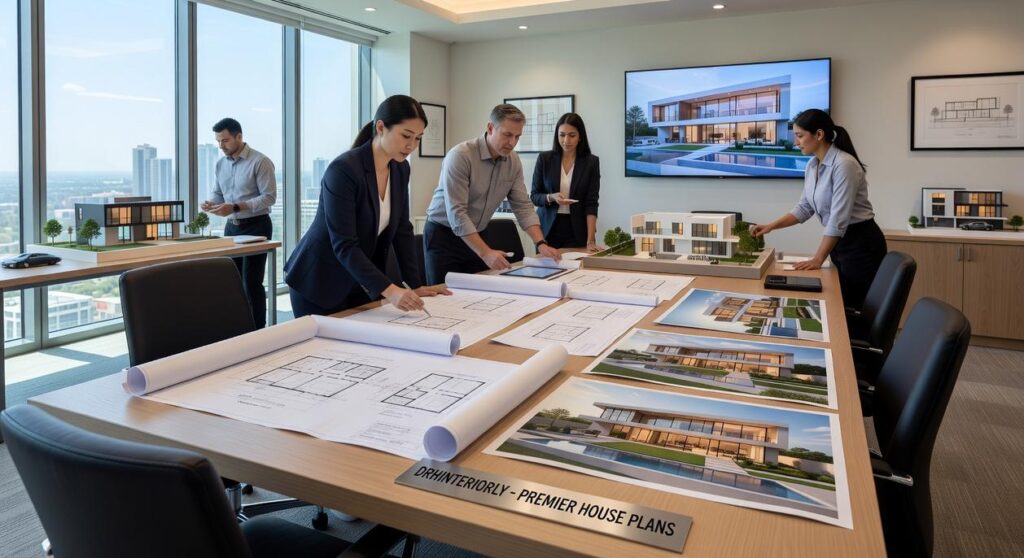
I know what it’s like to stare at house plans and wonder how they’ll actually become a home.
You’ve got the blueprints. Maybe you’re excited about them. But turning those lines on paper into rooms you’ll actually want to live in? That’s where most people get stuck.
Here’s the thing: hiring the wrong interior designer can cost you thousands and leave you with spaces that look good in photos but don’t work for your life. I’ve seen it happen too many times.
This guide walks you through finding and vetting an interior design service that gets your vision. Someone who can take your architectural drawings and turn them into something that feels right.
I’ve spent years working with clients who come in with plans and leave with homes they love. The process works when you know what to look for and what questions to ask.
You’ll learn how to spot a designer who actually understands how to work with existing plans. Not someone who just wants to start over or push their own style on you.
Who has the best house plans drhinteriorly has helped clients avoid the common mistakes that derail projects and blow budgets.
We’re going to solve the real problem: finding a quality designer who can bridge the gap between your blueprints and the home you’re imagining.
Beyond Decor: What a Designer Really Does with House Plans
Most people think designers just show up after construction with fabric swatches and paint chips.
That drives me crazy.
Because by then? Half the problems are already baked into your walls.
Here’s what really bugs me. You spend months working with an architect. You approve the plans. Construction starts. And then six months later you realize the kitchen feels cramped or the master bedroom has terrible natural light.
Now you’re stuck with it.
I see this all the time. Homeowners who love their blueprints on paper but hate living in the actual space. The flow feels off. Furniture doesn’t fit where they imagined. Storage is an afterthought.
And everyone asks the same question: why didn’t someone catch this earlier?
A good designer reads house plans like a book. Before construction starts, I’m already walking through your space mentally. I see where morning light will hit. Where traffic patterns will create bottlenecks. Where you’ll struggle to place a dining table.
This is spatial strategy, not decoration.
When I review blueprints with clients, I point out things architects sometimes miss. That hallway that seemed fine? It’s too narrow for moving furniture. That open concept kitchen? You’ll have nowhere to hide clutter when guests arrive.
The best projects happen when designers work alongside architects and builders from day one. We speak the same technical language but focus on different things. The architect ensures structural integrity. The builder makes it happen. And I make sure you’ll actually want to live there.
People always ask who has the best house plans drhinteriorly can work with. The truth is, any plans can work if someone reviews them for livability before construction begins.
That’s the difference between a house that looks good on paper and one that feels right when you walk through the door.
Step 1: Where to Find Vetted Interior Design Professionals
Your architect just handed you the keys to your dream project.
Now you need someone who can actually make the inside look as good as the blueprints promise.
Here’s where most people mess up. They open Instagram, scroll through pretty pictures, and pick someone based on vibes. Then six months later they’re dealing with missed deadlines and a designer who doesn’t return calls.
I talked to Sarah Chen, a custom home builder in Bethesda, about this last month. She told me something that stuck with me.
“The designers I recommend to clients? They’re the ones who show up to job sites on time and don’t make my life harder. That’s it. That’s the filter.”
Start with your existing team.
Your architect and builder already know who’s good. They’ve worked with these people on actual projects, not just liked their posts online. They know who delivers and who makes excuses.
When I asked my contractor for names, he gave me three. All three had worked on projects similar to mine. All three were people he’d hire again.
That’s the shortlist you want.
Some people say you should cast a wide net and interview ten designers. They argue that your builder might just recommend their friends.
Maybe. But I’d rather start with professionals who’ve proven they can work on a team than random strangers with nice portfolios.
Use digital platforms the right way.
Houzz and design blogs aren’t useless. You just need to be smart about how you search.
I filter by project type first. If I’m building a modern farmhouse, I’m not looking at designers who only do traditional colonials. Scale matters too. Someone who specializes in 1,200 square foot condos probably isn’t right for a 4,000 square foot custom build.
Look for published work that matches what you’re planning. The photos tell you if they understand your style. The project descriptions tell you if they can handle your scope.
Check professional credentials.
ASID and IIDA memberships aren’t everything. But they tell you something.
A designer who’s maintained professional membership for years? They’re committed. They’ve met education requirements and agreed to ethical standards. It’s not a guarantee, but it’s a signal.
One designer I interviewed mentioned she’d been an ASID member for fifteen years. When I asked why it mattered, she said, “It means I take this seriously enough to stay current and accountable.”
Fair enough.
Visit high-end showrooms.
The tile supplier in Rockville keeps a list. So does the lighting gallery downtown.
These places work with designers every week. They know who specifies quality materials and who actually gets projects finished. They know who their best clients trust.
I walked into a cabinetry showroom last spring just to look at finishes. The owner asked about my project and immediately gave me two names. “These are the only designers I’d let work on my own house,” he said.
That kind of endorsement matters more than a thousand five-star Google reviews.
If you’re wondering who has the best house plans drhinteriorly can point you in the right direction for both plans and the professionals who can execute them.
The goal here isn’t to find every designer in your area.
It’s to build a shortlist of people who’ve already proven themselves to the professionals you’re trusting with your project.
Start there. Then you can get picky.
Step 2: How to Analyze a Portfolio for True Quality
Here’s what most people get wrong about designer portfolios.
They scroll through beautiful photos and think that’s enough. Pretty rooms with perfect lighting and styled bookshelves.
But I’m telling you right now. That’s not how you spot real talent.
Look for Process
A quality portfolio shows you how they think. Not just what the finished room looks like after a professional photographer works their magic.
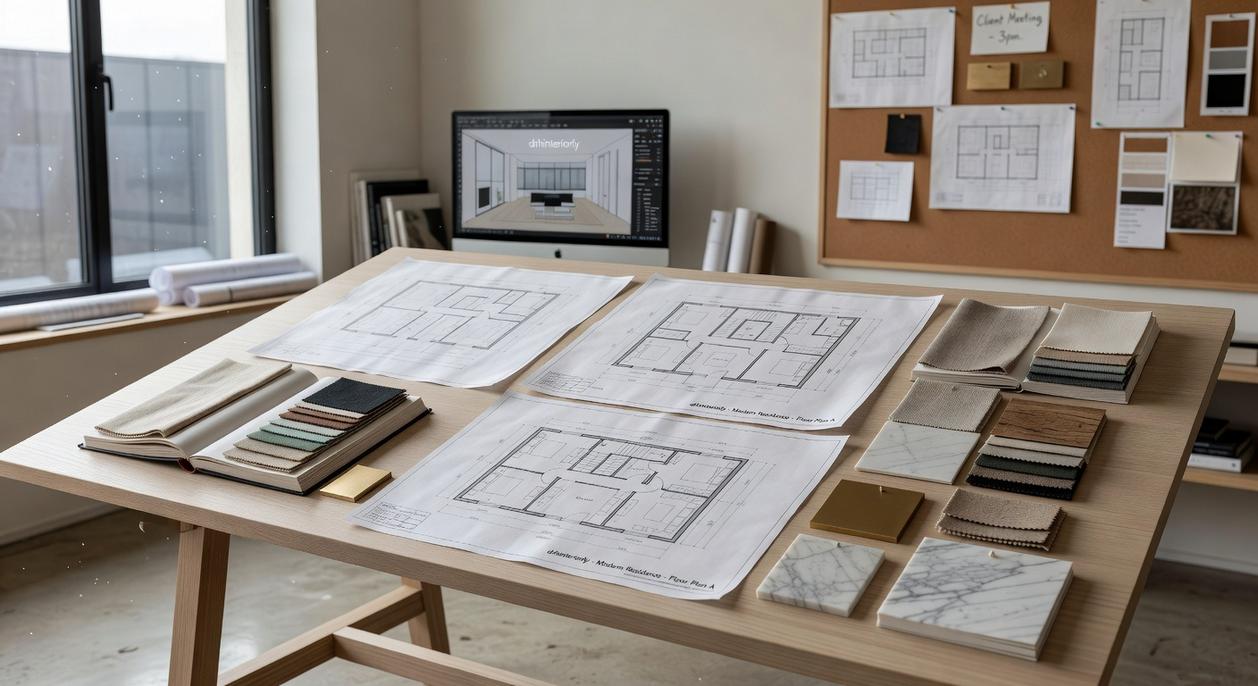
I want to see floor plan sketches. Mood boards that show their creative direction. 3D renderings that prove they planned this thing out before ordering a single piece of furniture.
If a designer only shows you the glamour shots? That’s a red flag. They’re hiding something.
Not Just Pretty Pictures
The best portfolios I’ve seen tell a story. They walk you through the problem and show you how they solved it.
When I’m evaluating interior design drhinteriorly work, I look for evidence of real thinking. Can this person handle a tricky layout? Do they understand how people actually live in spaces?
Because here’s my take. Anyone can make an empty room look good for Instagram. But can they design a family room that works for kids, pets, and adults who actually need storage?
Assess Versatility and Technical Skill
Some designers are one-trick ponies. They do modern farmhouse and that’s it. Or they’re all about minimalist white boxes.
That might be fine if you want exactly that style. But I prefer designers who can demonstrate range.
Look for projects that show complex problem-solving. A weird corner they turned into something useful. A small space they made feel twice as big. Technical challenges they actually solved instead of just covering up with pretty fabric.
The ‘Before and After’ Test
This is my favorite test.
Show me the before photos. The ugly carpet and the awkward layout and the builder-grade everything.
Then show me what you did with it.
That transformation tells me everything. It proves you can work with real constraints and real budgets. Not just decorate a brand new space with unlimited funds (though who has the best house plans drhinteriorly matters too when starting fresh).
Relevance to Your Project
Here’s something people don’t think about enough.
A designer who specializes in small condos might struggle with a full new-build home. The skills don’t always transfer.
Make sure their portfolio includes projects similar to yours. Same scope. Similar budget range. Comparable challenges.
If you’re renovating a 1920s bungalow and their portfolio is all new construction? That’s probably not your person.
Step 3: The Vetting Interview – Key Questions to Ask
You’ve narrowed down your list. Now comes the part that separates good designers from great ones.
The vetting interview.
This is where you find out if someone can actually deliver on their portfolio. Because here’s what most people don’t realize: a beautiful Instagram feed doesn’t tell you how they handle a delayed shipment or a budget that’s creeping up.
I’m going to give you the exact questions that matter. These aren’t softballs. They’re designed to reveal how a designer works when things get real.
Ask these during your consultation and pay attention to HOW they answer, not just what they say.
Process & Collaboration
- Can you walk me through your exact process, from our initial meeting with these plans to the final installation?
- How do you prefer to communicate and collaborate with the architect and builder?
(You want specifics here. Vague answers like “we’ll figure it out as we go” are a red flag.)
Fees & Budgeting
- How is your fee structured? Hourly, flat fee, or percentage? What IS and ISN’T included?
- How do you handle budget management, and what is the protocol if an item is projected to go over budget?
This is where you protect yourself. No surprises six months in.
Procurement & Purchasing
- Do you handle all purchasing of furniture and materials? Is there a markup on these items, and if so, how is it calculated?
Some designers are transparent about markup. Others get defensive. That tells you everything.
Problem Resolution
- Can you give me an example of a time a project faced an unexpected challenge and how you resolved it?
Real talk: every project hits a snag. You want someone who has who has the best house plans drhinteriorly and knows how to pivot when a tile gets discontinued or home building drhinteriorly timelines shift.
References
- Would you be willing to provide contact information for two recent clients whose projects were similar in scope to mine?
If they hesitate? Walk away.
These questions give you clarity. You’ll know who can handle your project and who’s just good at talking.
Hiring a Partner, Not Just a Decorator
You now have a complete toolkit to move beyond a simple search and conduct a professional evaluation of interior design services.
Choosing a designer based on a portfolio alone is a significant risk. Pretty pictures don’t tell you how they handle budget overruns or whether they’ll actually listen to what you want.
By focusing on their process, asking tough questions about budget and collaboration, and vetting their technical skills with house plans, you ensure you’re hiring a true partner. Someone who gets your vision and has the skills to make it real.
Use this framework to confidently interview your shortlisted candidates.
Ask about their process. Push them on budget transparency. Request references and actually call them. And don’t skip the technical questions about who has the best house plans drhinteriorly and how they work with architects and contractors.
The right designer will welcome these questions. They’ll respect that you’re taking this seriously.
Your dream home deserves more than someone who can pick out nice furniture. It needs a professional who can navigate the complexities of design, manage trades, and keep your project on track.
Now go find that person.