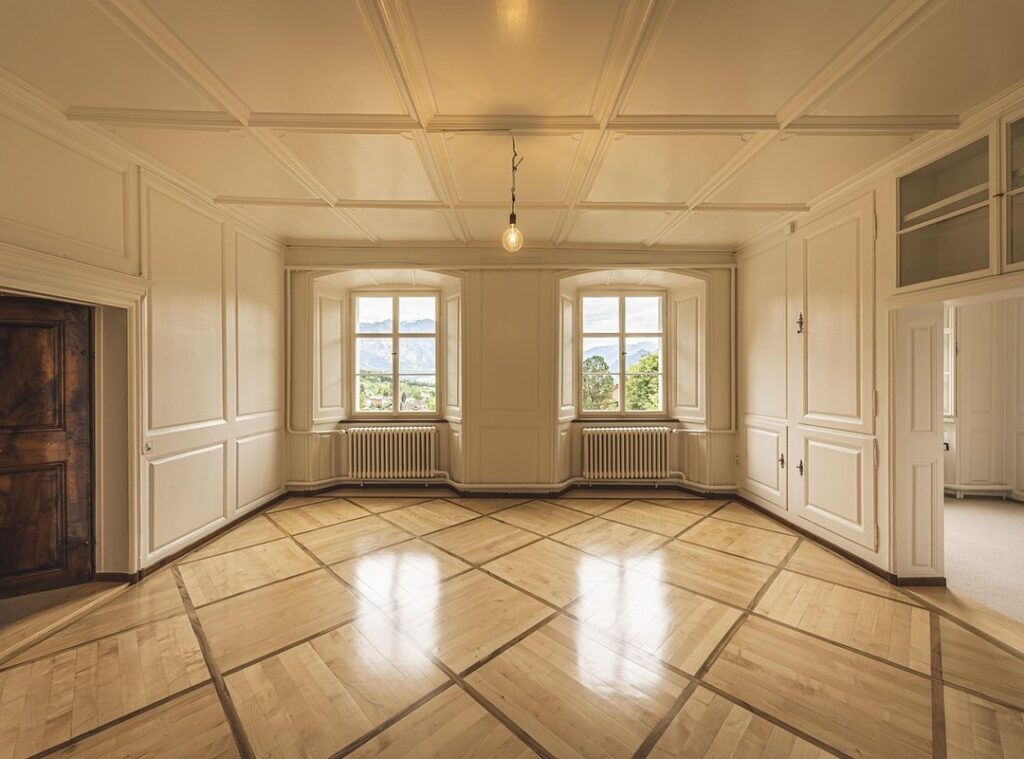
We all want a home that feels like a sanctuary. Not just a place to show off but a space that wraps around us like a warm blanket.
Too many homes miss the mark on comfort. They become uninviting and stressful. I’ve seen this countless times.
With years of experience in observing how design impacts our daily lives, I know how to create a comfort-focused home design that truly embraces you.
This article guides you through practical strategies for a home that prioritizes well-being and livability. I’ll share takeaways that can transform every corner of your space into something that feels right.
Forget the trends that only look good on Instagram. Let’s focus on what makes a home feel real and personal.
You’ll gain actionable tips to cultivate authentic comfort in your home. Ready to make your space work for you? Let’s dive in.
True Comfort: Beyond Aesthetics
When I talk about comfort-focused home design, I’m not just rambling about plush pillows and soft throws. It’s a complete approach that integrates physical, mental, and emotional well-being. Does your space make you feel at ease?
If not, it might be time to rethink your setup.
Contrast this with purely aesthetic approaches. They might look great on Instagram but often fall short in real life. You and I both know that functionality and feeling should come first.
A home that only looks good is like a book with a beautiful cover and blank pages.
The psychological benefits of a truly comfortable home are remarkable. Stress reduction, improved mood, and enhanced productivity are just the beginning. A sense of security in your own space?
Priceless. Ever tried working in a room with poor lighting or uncomfortable seating? It’s a productivity killer.
So, ergonomic home design isn’t just a fancy term. It’s about creating spaces that fit how you live, not just how they look. Ask yourself: What does comfort mean to you?
Start there.
Sensory Foundations: Light, Sound, and Temperature Control
Creating a comfortable home isn’t just about picking the right couch or hanging art on the walls. It’s about environmental elements like light, sound, and temperature. Let’s dig into these.
Lighting can make or break a room. You need layers: ambient for general lighting, task for focused areas, and accent for drama. Ever tried a dimmer switch?
It’s a game-changer. Natural light is your best friend, though, so open those blinds when you can. And about those bulbs (stick) to warm tones in living rooms for a cozy vibe, but cooler ones work for kitchens or workspaces.
Ever thought about using acoustic panels? They’re not just for studios. Want a soundproofing sanctuary for peaceful living?
Sound is another beast. Noise pollution can ruin your zen. Rugs, curtains, and even upholstered furniture help dampen sound.
Consider adding a water feature or soft music to jazz up a space.
Temperature is key in ergonomic home design. Insulation and smart thermostats help maintain comfortable temps. Draft sealing is a pro tip for saving energy.
And don’t forget textiles. A good throw or blanket adds warmth but makes a visual statement. All these elements work together to boost your mood and boost comfort, transforming any house into a true home.
Feel how these changes uplift your surroundings? That’s the magic of sensory foundations.
Furniture & Flow: Designing for Ease and Connection
When it comes to crafting spaces that feel like home, the right furniture makes all the difference. Choosing Furniture for Unrivaled Comfort is about more than just aesthetics. It’s about finding pieces that are ergonomic and supportive. Pay attention to materials too.
Soft upholstery and natural wood invite touch, making your space feel welcoming. Forget chasing fleeting trends only to end up with pieces that don’t serve you.
And here’s a pro tip: test that furniture before buying. Focus on personal fit and comfort over time. It’s like trying on shoes.
You wouldn’t buy them without slipping your foot in first, right?
Now, let’s talk layout. A room’s setup can change everything. You need an intuitive flow that makes moving around a breeze.
Clutter? It’s the enemy of calm and ease. Clear pathways help maintain a sense of order.
But zoning is your secret weapon. Use it to define functional areas in open spaces.
Think of a good movie. Every scene has its place, and every piece of furniture should too. Seating arrangements can be a game changer.
Encourage conversation with cozy clusters rather than stiff, formal setups. Ever noticed how people gravitate toward couches over formal chairs? That’s the magic of ergonomic home design.
Create spaces that invite people in and make them want to stay.
Engage Your Senses: Texture, Scent & Color
When it comes to home design, engaging all your senses makes a space truly yours. Let’s talk textures. Ever felt the allure of velvet or the earthy touch of stone?

They bring depth. I mean, who doesn’t love sinking into a plush couch or walking on a soft rug? Layering different textures (like wool, linen, or wood) in your living space isn’t just about aesthetics.
It’s about feeling cozy.
Scent is next. It might seem trivial, but the right fragrance can transform your mood. Important oils and fresh flowers give your home a natural vibe, and candles?
A classic. But steer clear of overpowering scents. Ever walked into a room that made your eyes water?
Color is solid too. It’s not just about paint. It’s about emotion.
Yeah, that’s not the goal.
Blues can soothe; warm neutrals add coziness. You’d be amazed how a simple color shift changes a room. And speaking of change, understanding the role of ergonomics in design can boost your home’s comfort.
So, dive into the world of ergonomic home design and let your senses lead the way. Your home should be a sanctuary (not) just a place with walls.
Personal Touches: Infusing Your Authentic Self
A house isn’t truly yours until it reflects who you are. You know that instant peace when you walk into a room that feels just right? That’s what personal touches can do.
Start by curating meaningful objects. Choose artifacts that tell your story. A photograph from your travels, a piece of art that sparks joy (or curiosity).
But here’s the kicker: display them thoughtfully. Too much stuff, and your home starts feeling like a museum.
Nature is also your friend. Biophilic design (fancy term for nature-inspired) can transform your space. Houseplants, natural materials, views of greenery.
They all bring calm. Even in urban jungles, a little green can soothe the soul. Don’t you think?
Creating cozy corners for relaxation is key. Dedicate spaces for your hobbies or just to unwind. A reading nook or a meditation corner.
Furnish these zones with comfort in mind. Need help with creating cozy corners relaxation? Check out our guide.
And remember, ergonomic home design isn’t just about looks; it’s about making a space that works for you.
Start Your Comfort Journey Today
You now have the tools to create a home that truly feels like a retreat. You’re not just building a structure; you’re crafting a sanctuary. This approach to ergonomic home design engages your senses and boosts your emotional wellness.
Start small. Set up one change today that enhances your comfort. Whether it’s a new chair or rearranging your space, every step counts.
Want to dive deeper? Explore more resources or share your own transformation.
You’ve got this. Your comfort-focused home is within reach. Take action now and watch your space become the haven you deserve.