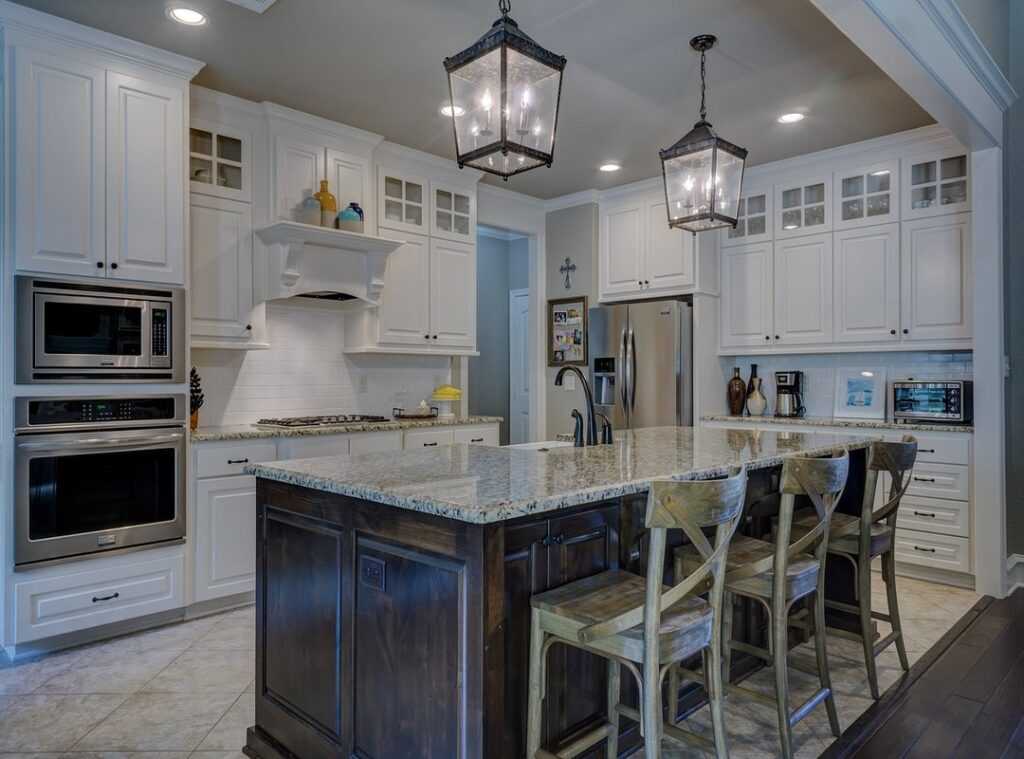
Choosing between modern sleekness and traditional warmth can feel impossible. I’ve been there, staring at a room that feels like a confused mess. Many homeowners struggle to blend different styles without making their space chaotic.
I’ve realized that it doesn’t have to be this way.
Through years of experience, I’ve seen how effective transitional style interiors can be. They create harmony and balance, making your space both stylish and comfortable.
You want a home that reflects your personality, right? This article is here to demystify transitional design in home decor.
I’ll guide you on how to achieve a look that’s balanced, timeless, and effortlessly chic.
Expect practical tips and takeaways that will help you transform your house into an inviting home.
Let’s ditch the overwhelm and embrace a design style that truly works for you. You’re in the right place to start this journey.
Transitional Design: Mixing the Old with the New
So, what’s the deal with transitional design? It’s this cool mix of traditional and modern styles. Think of it as the middle ground where classic warmth meets sleek lines. You’ve got the charm of old-school furniture paired with fresh, contemporary fabrics. Sound like a contradiction?
It’s not. It’s balance. It’s simplicity and comfort rolled into one.
Ever walked into a room and felt both comfortable and modern? That’s transitional style interiors doing their thing. They bridge the gap between the past and the present without being too much of either.
It’s like having your cake and eating it too. The trick is to keep things timeless yet fresh.
Picture a classic wooden table (solid, right?) with minimalist chairs. Or, a plush, traditional sofa dressed in a modern geometric print. This style is about harmony.
It’s not about extremes. Transitional design isn’t shouting at you; it’s whispering elegance.
Curious about other styles? You might want to achieve scandinavian calm home. It’s another way to blend simplicity with warmth.
But remember, transitional is where old meets new in the most stylish way possible.
Transitional Decor: Keep It Simple
You’d think transitional style interiors would have all the bells and whistles, but they’re all about clean lines and comfort. Furniture should be straightforward. Think straight legs or maybe a gentle curve here and there.
It’s not about being fancy; it’s about being smart. Neutral tones like grays and beiges? They’re your canvas.
But let’s not ignore those pops of muted color. They bring life without yelling for attention.
Now, materials. I say mix it up. Wood, linen, wool?
Sure. But throw in some chrome or polished stone. It’s about balance, not chaos.
If you think you need patterns to make a statement, you’re wrong. Texture is where the magic happens. Different textures add depth and interest without getting too busy.
And why do people always forget about texture? It’s the unsung hero of decor. Seriously, think about it.
You can have the most basic items, but mix up the textures and suddenly it’s a whole new ballgame. So, if you’re diving into transitional decor, remember: keep it simple, keep it smart. It’s not about clutter.
It’s about creating a space that feels right.
Blend It: Stellar Tips for Transitional Spaces
Transitional style interiors strike a balance between classic and modern. You know, like a sleek suit with a funky tie. Start with furniture that merges both styles.
Think a traditional sofa wrapped in a bold, new fabric. It’s all about that sweet spot where old meets new.
Avoid lining up furniture like ducklings. Create natural pathways for flow. No one wants to trip over a trendy stool.
Now, let’s talk layout. Arrange your pieces to build conversation. Don’t you love when a room invites you to chat, not just sit?
Balancing comfort and sophistication isn’t rocket science. Go for plush rugs and comfy chairs. But please, steer clear of clutter.
Fewer, high-quality pieces do the trick. Visual clutter is the enemy. Opt for a spacious feel, not a furniture showroom.
And here’s a pro tip: when choosing the right color palette, make sure it ties the room together. Colors can make or break the vibe. A cohesive palette is like a symphony (and no screechy violins, please).
It’s important for that polished look we all crave.
So, mix styles, mind your layout, and embrace simplicity. Your space will thank you.
Lighting, Art, and Accessories: The Perfect Mix
In transitional style interiors, lighting is key. I’m talking about fixtures that bridge the gap between styles. Imagine a drum pendant with metallic finishes.
It just works. Or mix it up with a classic lamp featuring a modern shade. Why settle for one style when you can have the best of both?
But let’s chat about art. The secret is to blend, not clash. You want pieces that complement the room’s neutral palette.
Think abstract or subtly traditional. No need to overwhelm (less is more).
Accessories? Keep it curated. Don’t smother the space with trinkets.
Choose items with a purpose. Simple vases and elegant throws can make all the difference. A few personal items sprinkled around do wonders.
Mirrors are my go-to for enhancing space. They reflect light and add depth. Here’s a pro tip: place them strategically to bounce light across the room, making it feel larger.
Decorative objects? Keep them minimal. Why clutter when you can create?
Curious about how these elements fit into what exactly transitional styling? It’s all about balance. It’s about bringing together the old and new, stylishly.
Avoiding Mistakes in Transitional Style
Ever walked into a room and felt like you were in a time warp? That’s over-mixing styles for you. When decorating in transitional style interiors, too many disparate elements can turn your space into a chaotic mess rather than a harmonious blend.
Mixing mid-century modern with Victorian might seem adventurous, but tread carefully.
Comfort should never take a backseat. Your home needs to feel inviting, not just look pretty on Instagram. Transitional design is all about that balance.
What’s the point of a stunning chair if it feels like sitting on concrete?
Let’s talk clutter. Simplicity and clean lines are key in transitional style. Cramming every surface with trinkets and decor is a rookie mistake.
Leave some breathing room for your eyes (and sanity).
Not a good look.
Scale and proportion matter more than you think. Oversized furniture and tiny decor throw everything off. It’s like wearing clown shoes to a formal event.
Lastly, don’t chase trends too hard. An overly trendy piece might look cool today, but it can make your timeless design scream “last season” tomorrow. So keep it classic, keep it comfy, and let your personality shine (without screaming).
Embrace Your Unique Space
You’ve got the tools to tackle transitional style interiors with confidence. Blending styles doesn’t need to feel chaotic anymore. This design approach offers elegance and comfort, creating a home that feels both fresh and familiar.
So, why not start small? Pick one room to transform first. Try some of these ideas you’ve learned today.
Seek out inspiration for pieces that connect with your style. You can do this. Your home deserves it.
Get to work and watch how your space changes. You’ll be amazed at what you can create. Let’s make your home truly yours.