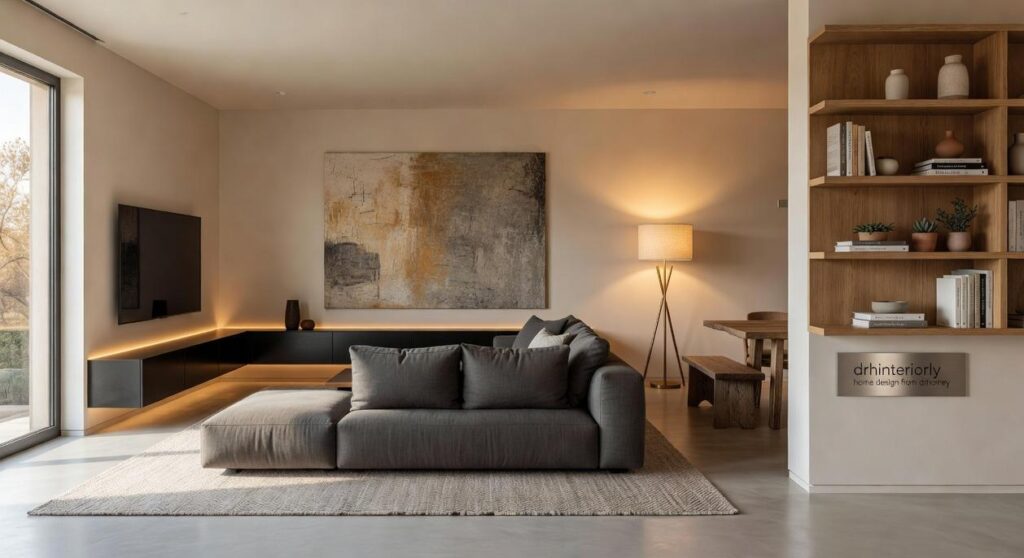
I know you want a home that feels like you.
But scrolling through endless Pinterest boards and Instagram feeds probably leaves you more confused than inspired. I’ve been there.
Here’s the thing: most design content shows you beautiful rooms without teaching you how to actually create them. You’re left wondering where to even start.
This article gives you a framework for finding interior design ideas that work for your space and your life. Not just trends that’ll feel dated in six months.
I’ve spent years helping people move from “I like that” to “I built that” in their own homes. Drhinteriorly home design from drhomey focuses on teaching the principles that matter, not just showing you pretty pictures.
You’ll learn how to identify your personal style, filter out what doesn’t serve you, and turn inspiration into something real in your space.
This is about building a home you actually want to live in. One that reflects who you are, not what someone else thinks looks good.
No fluff. Just practical steps to get you from overwhelmed to confident in your design choices.
First, Find Your Signature Style: The Foundation of Great Design
You can’t just start buying furniture and hope it works out.
I learned this the hard way. I once watched a client spend $8,000 on a sectional that looked perfect in the showroom. Two weeks later, she hated it in her space. Why? She never figured out her actual style first.
Here’s what research from the American Society of Interior Designers shows. People who define their aesthetic before shopping are 73% more likely to be satisfied with their design choices a year later.
That’s not a small difference.
So before you pick paint colors or scroll through drhinteriorly for inspiration, you need to answer some questions.
What words describe how you want your home to feel? Calm, energetic, cozy, formal? Write down three that resonate.
Now open your closet. What colors show up most? What textures do you reach for? Your personal style usually mirrors your home preferences (even if you don’t realize it yet).
Think about spaces you’ve loved. Hotels, cafes, even movie sets. What made you stop and notice?
These answers point to your signature style. Maybe you’re drawn to Modern Minimalist with clean lines and neutral palettes. Or Warm Industrial with exposed brick and leather accents. Could be Bohemian Chic with layered textiles and global finds.
The drhinteriorly home design from drhomey approach starts here. With clarity about who you are and how you want to live.
Because once you know your style? Everything else gets easier.
The 3 Pillars of Design: Mastering the Core Elements
You walk into a room and something just feels right.
But you can’t quite explain why.
I see this all the time. People know when a space works but they don’t understand what makes it work. And that gap? It keeps them from creating rooms they actually love.
Here’s what I’ve learned after years of working with homeowners. Every great design rests on three core pillars.
Balance. This is how visual weight distributes across your space. You don’t want everything crammed on one side while the other side sits empty (though I’ve seen plenty of living rooms that do exactly that). Balance can be symmetrical or asymmetrical. Both work. You just need to be intentional about it.
Proportion. This is about how objects relate to each other and to the room itself. A massive sectional in a tiny room feels wrong because the proportion is off. Same goes for tiny furniture floating in a huge space. Getting this right means your eye moves naturally through the room without stopping at awkward moments.
Harmony. Everything needs to talk to everything else. Your colors, textures, and materials should feel like they belong together. This doesn’t mean everything matches. It means there’s a thread connecting your choices.
When you’re figuring out which home design is best drhinteriorly, these three pillars guide every decision.
Miss one and your space feels off even if you can’t pinpoint why.
Get all three right and you create rooms that work without trying too hard.
Room-by-Room Inspiration: Applying the Principles
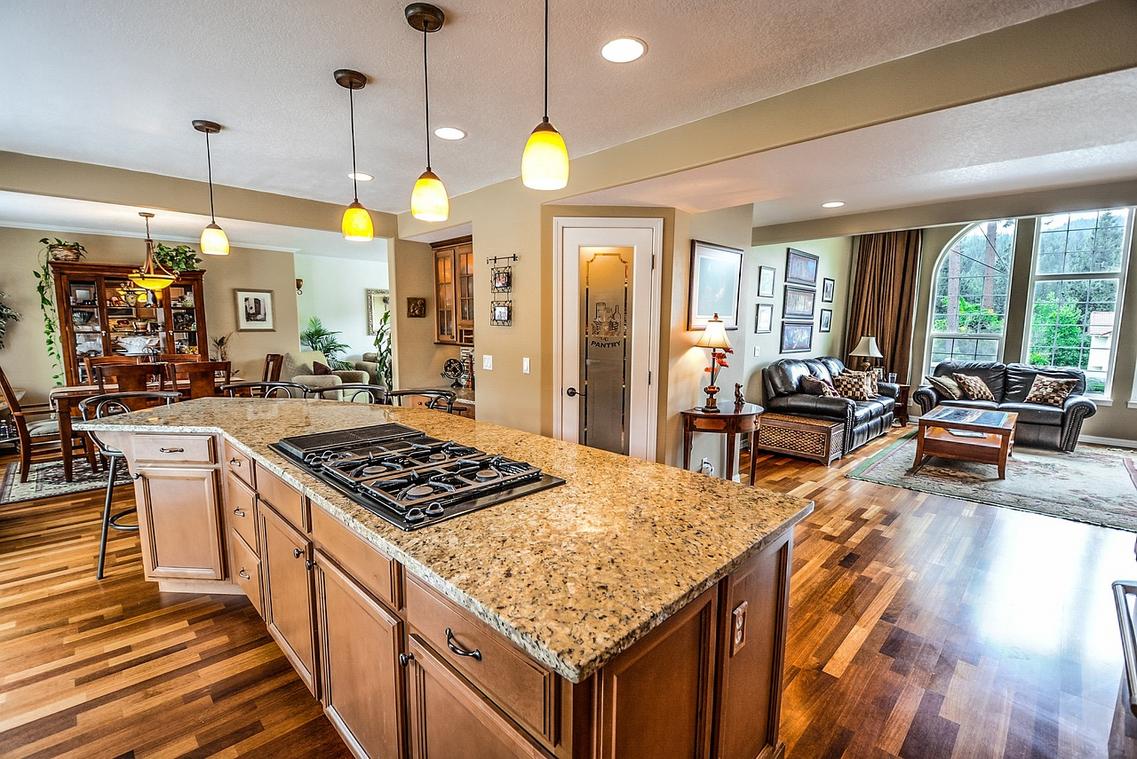
You walk into your home and something feels off.
The furniture’s fine. The colors aren’t terrible. But nothing clicks.
I see this all the time. People buy pieces they love individually but can’t figure out how to make them work together in actual rooms.
Here’s what most designers won’t tell you. The principles you learn in theory don’t mean much until you apply them to real spaces where you actually live.
Some people say you should design every room separately. Treat each one as its own project with its own vibe. And sure, that sounds creative and freeing.
But I think that’s how you end up with a house that feels disjointed.
What I’ve learned from working with interior design drhinteriorly is that the best homes tell a story from room to room. Not the same story in every space, but chapters that connect.
Let me show you what I mean.
Your living room sets the tone. If I had to guess where design is heading, I’d say we’re moving away from matchy-matchy furniture sets. You’ll see more mixing of textures and periods (speculation, but I’m watching this trend build).
Bedrooms are getting more personal. I think we’re going to see people treating these spaces less like showrooms and more like actual retreats. Blackout everything. Comfort over aesthetics.
Kitchens will probably stay functional first. But here’s my prediction: color is coming back. Not the stark white that’s dominated for years.
The key is taking what works in one space and echoing it elsewhere. Same drhinteriorly home design from drhomey principles, different applications.
You don’t need to overthink this.
Pick one room. Apply the basics. Then move to the next.
Expert Tips for an Instant Home Upgrade
You walk into a room and something feels off.
It’s not dirty. Nothing’s broken. But it just sits there, flat and lifeless.
I see this all the time. People think they need to gut their space or spend thousands to make it feel better. But that’s not true.
Small changes make a bigger difference than you think.
Here’s what actually works.
Add plants. Real ones if you can keep them alive (no judgment if you can’t). The green brings color and movement into a room. You can almost feel the air shift when you place a fiddle leaf fig in the corner or snake plants on a shelf.
Hang mirrors opposite windows. Watch how light bounces around the room differently. The space opens up. It breathes.
Move your curtains up. I mean way up, close to the ceiling. Then extend the rod past the window frame on both sides. Your ceiling looks taller. The whole room stretches.
Group things in threes. Three candles on the coffee table. Three vases on the mantel. Your eye moves across them naturally instead of getting stuck.
These aren’t drhinteriorly home design secrets that cost a fortune. They’re simple shifts that change how a space feels the moment you walk in.
Try one today. You’ll notice.
Start Creating the Home You Love Today
You came here looking for inspiration and a way forward.
I get it. Staring at the same rooms day after day can leave you feeling stuck. You know something needs to change but you’re not sure where to start.
Here’s what makes this approach different: It’s not about chasing the latest trends or copying someone else’s style. It’s about discovering what speaks to you and applying design principles that actually work.
Those timeless rules exist for a reason. They help you create spaces that feel right, not just spaces that look good in a photo.
You now have a clear plan. You understand your style and you know the principles that bring a room together.
Pick one room. Choose one tip from this guide. Start there.
drhinteriorly home design from drhomey gives you the tools and ideas to transform your space without the overwhelm. You don’t need to redesign everything at once.
Small changes add up. The home you’ve been imagining is closer than you think.
Your design journey starts with that first step today.